Heroes
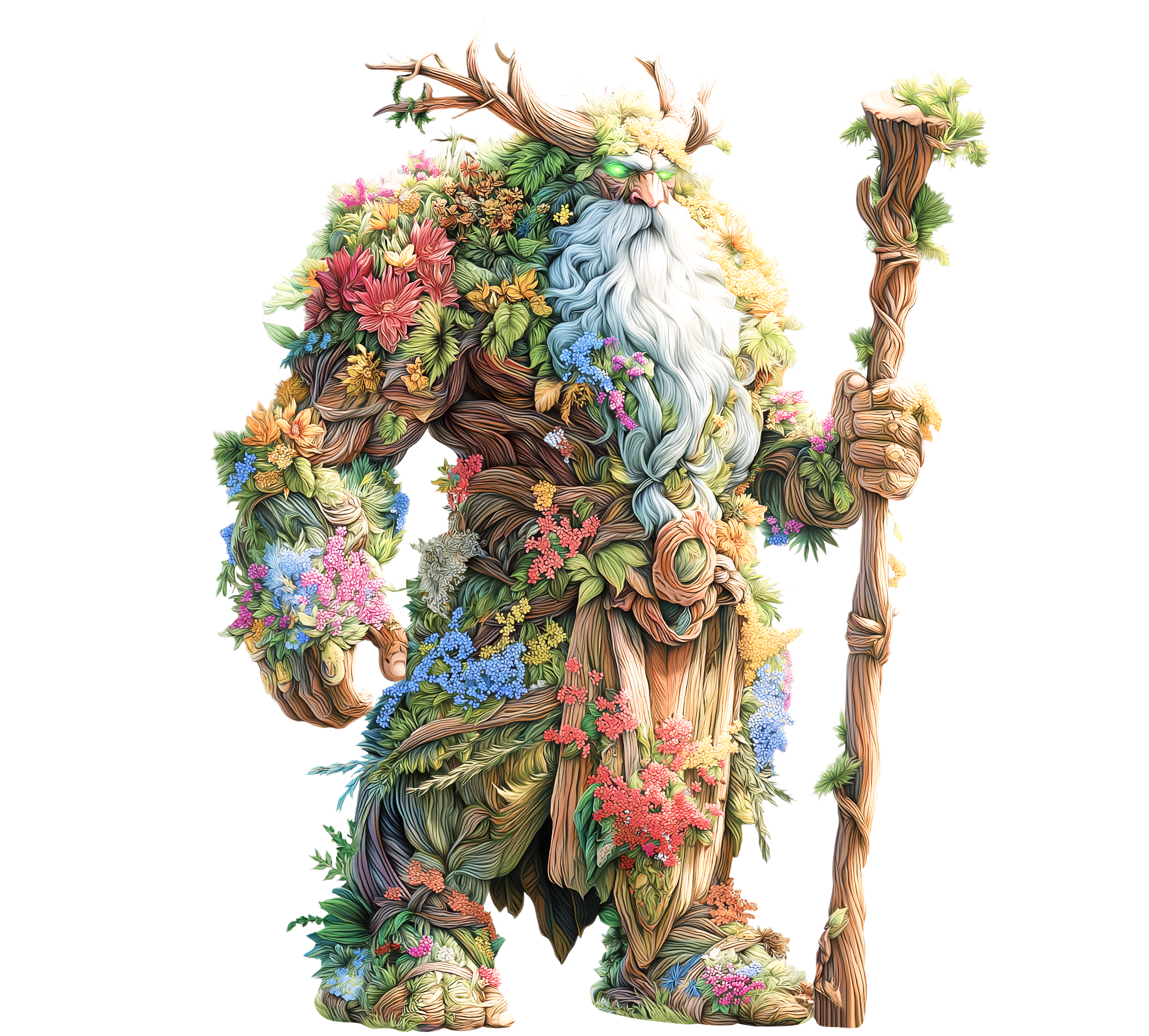
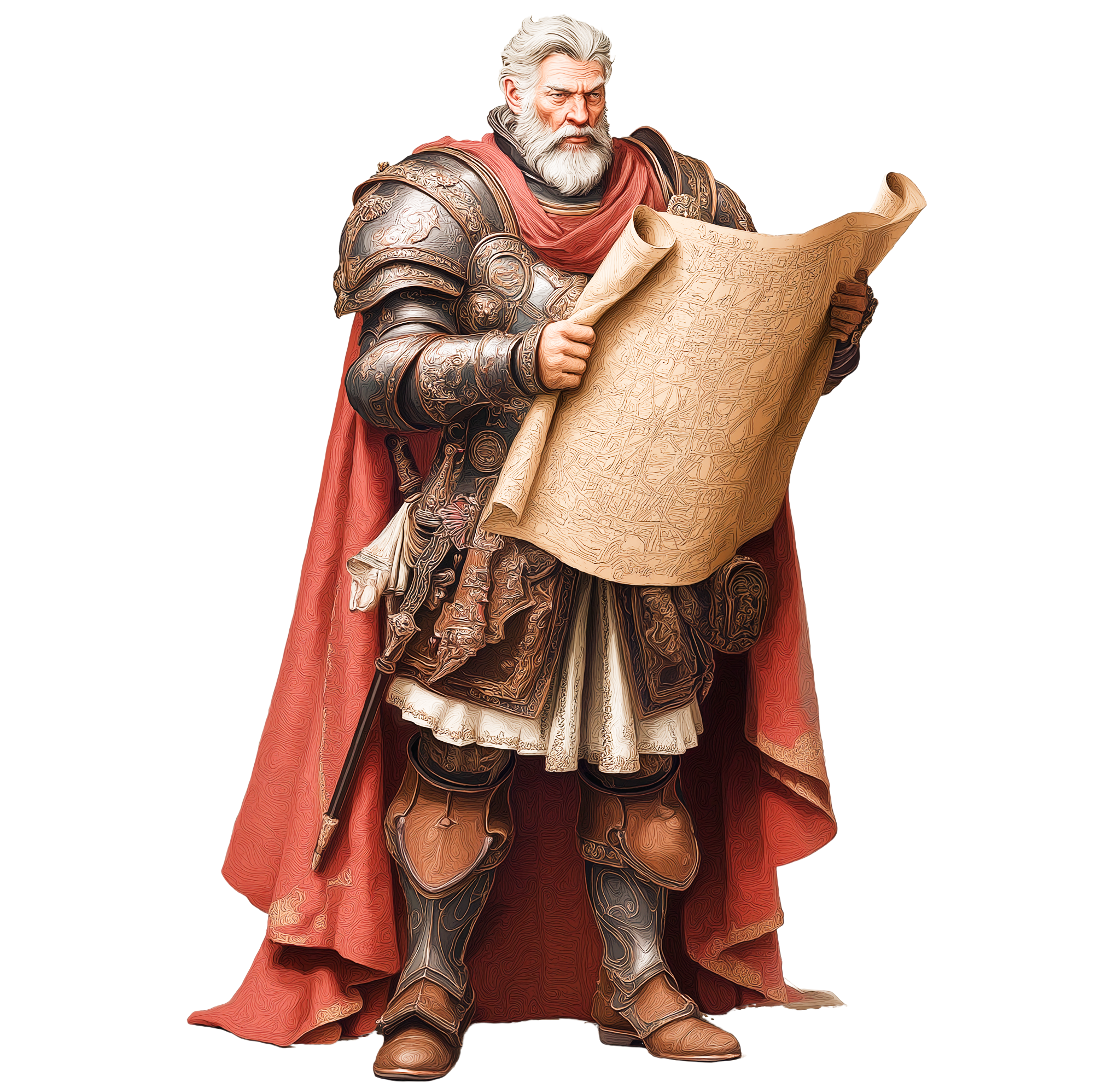
Heroes play an important role in Dragon Lords. Each player is given the option to hire a hero of their choice at the beginning of the game. Over the course of the game, players are offered new hero hires based on the player’s current prestige levels. There are currently 17 unique heroes, each with their own skill tree, strengths, and weaknesses.
Heroes can level up, just like in a standard RPG, and each level provides another skill point to distribute on their skill tree. Heroes can also search ruins (only heroes can search ruins), finding powerful items which can be equipped.
It’s common that high-level heroes become an important focal point of entire games, due to their power.
Although all the heroes are powerful, they play completely differently. What types of heroes will you hire?

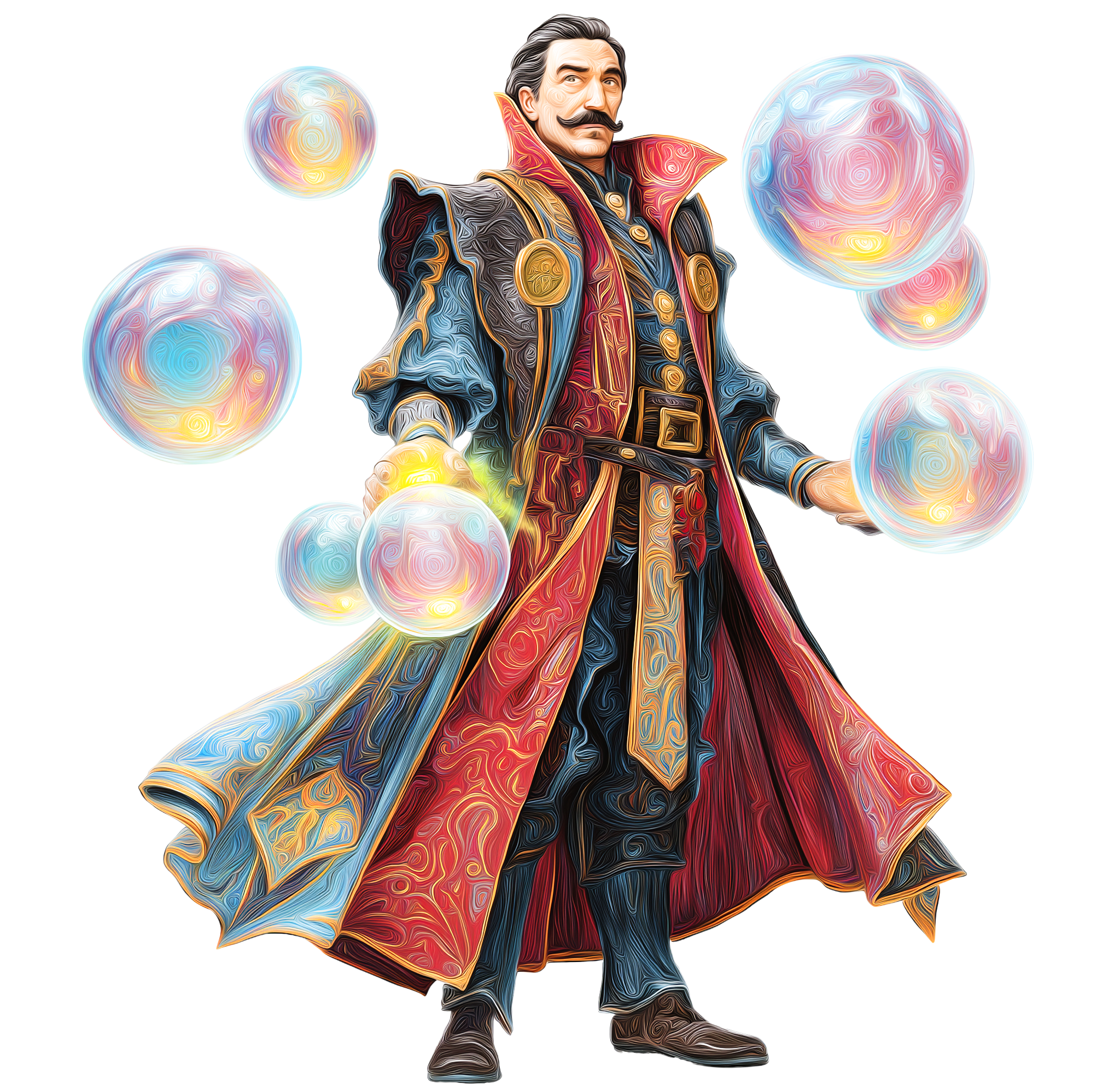
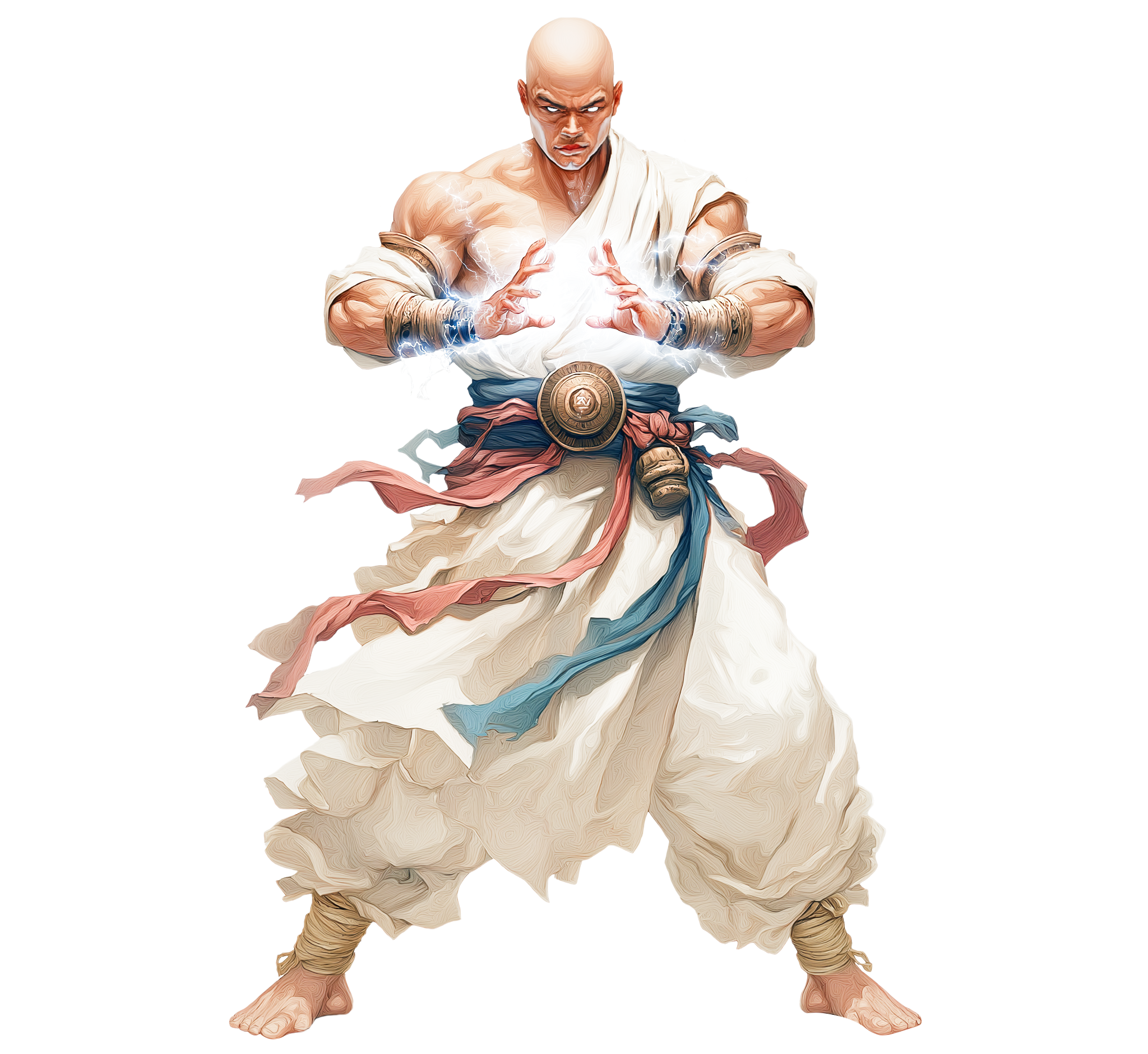
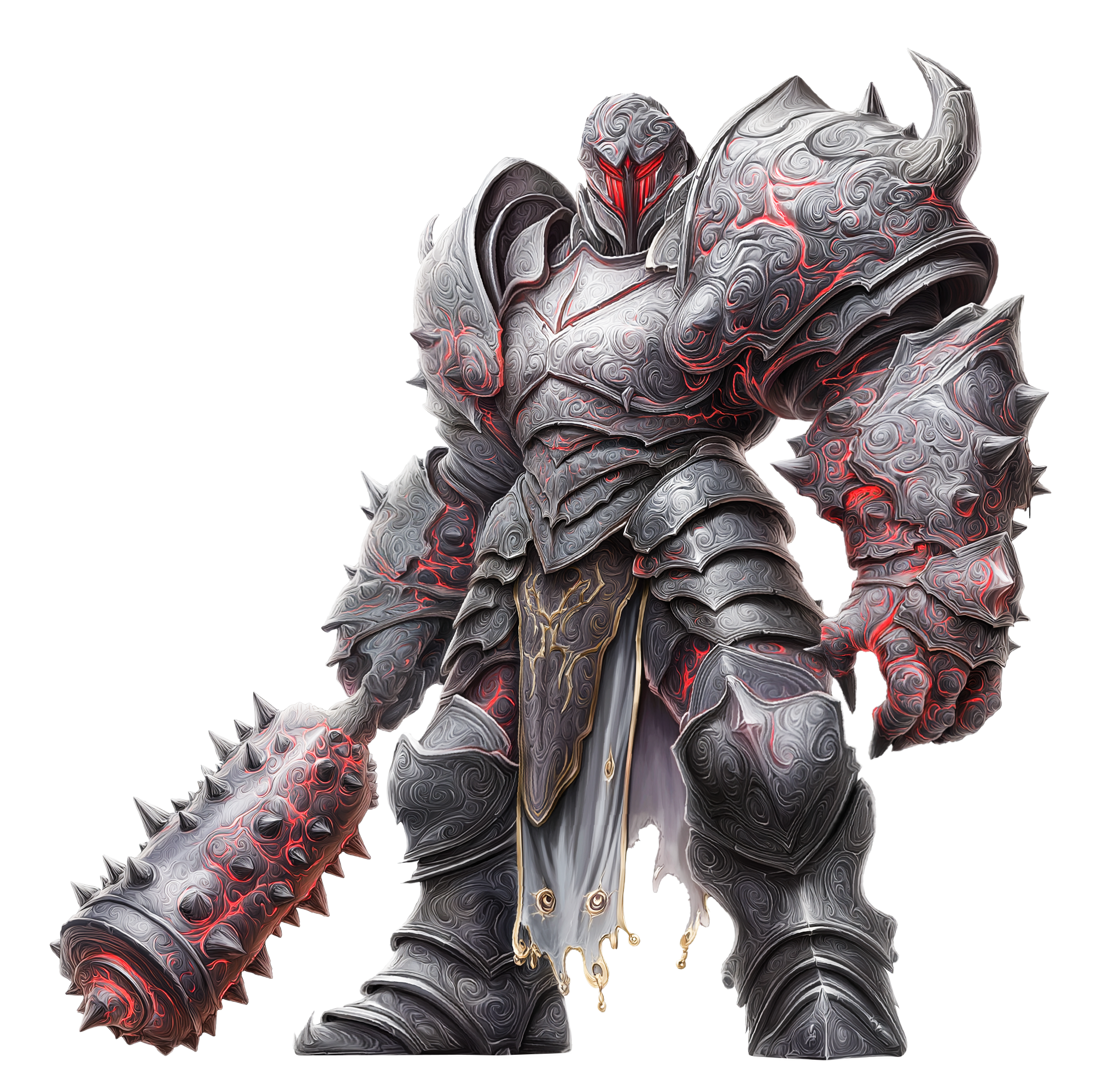
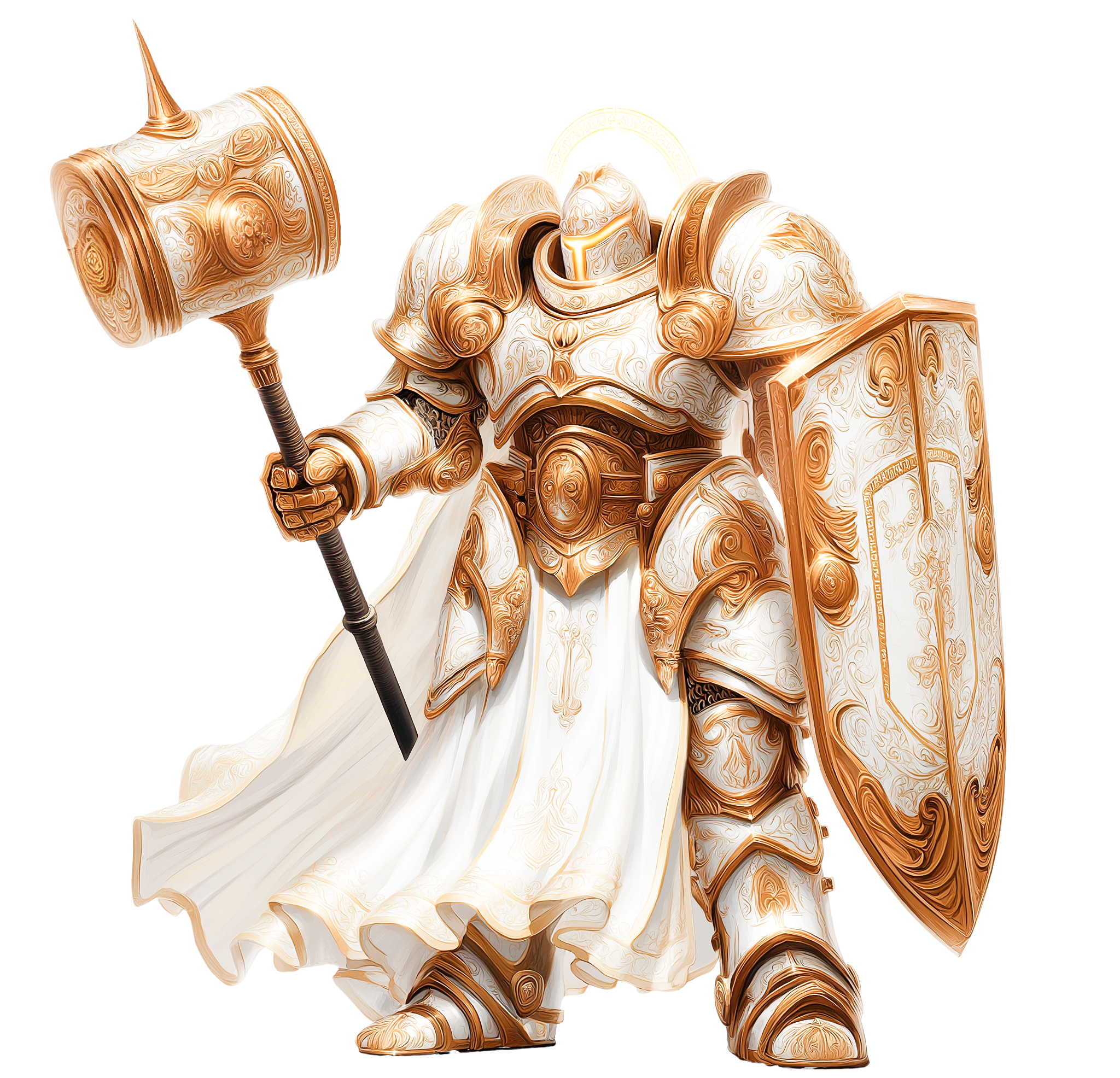
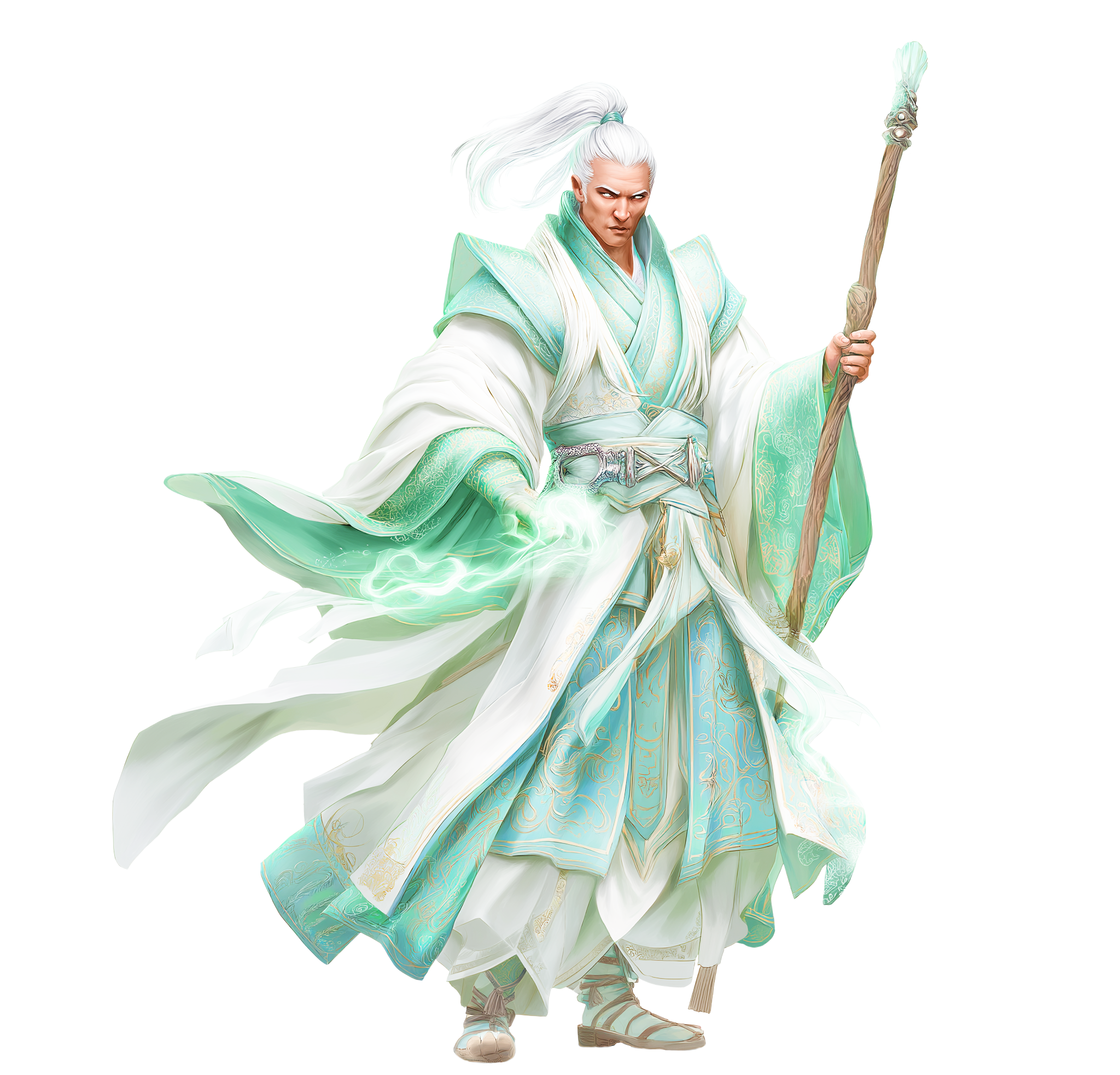
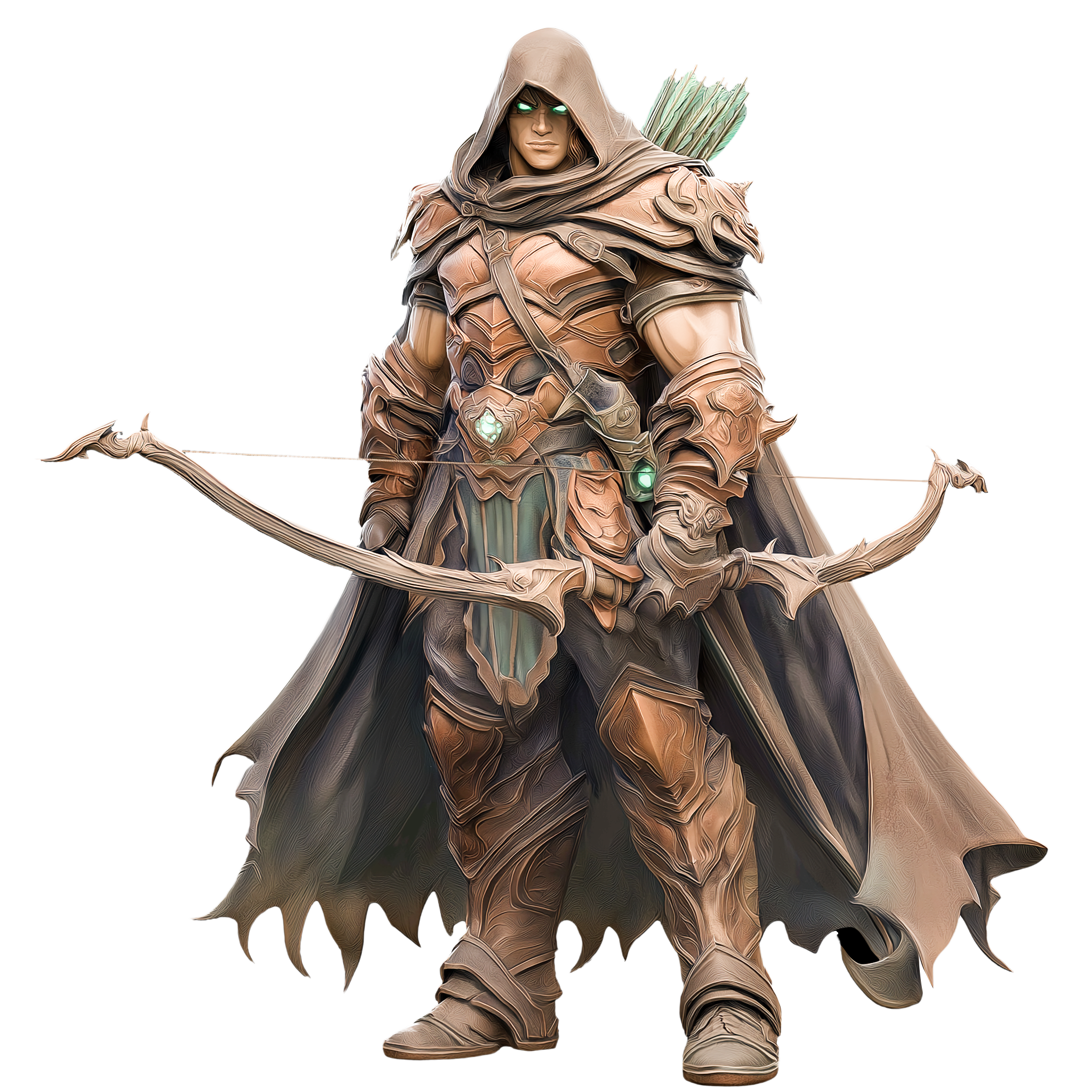
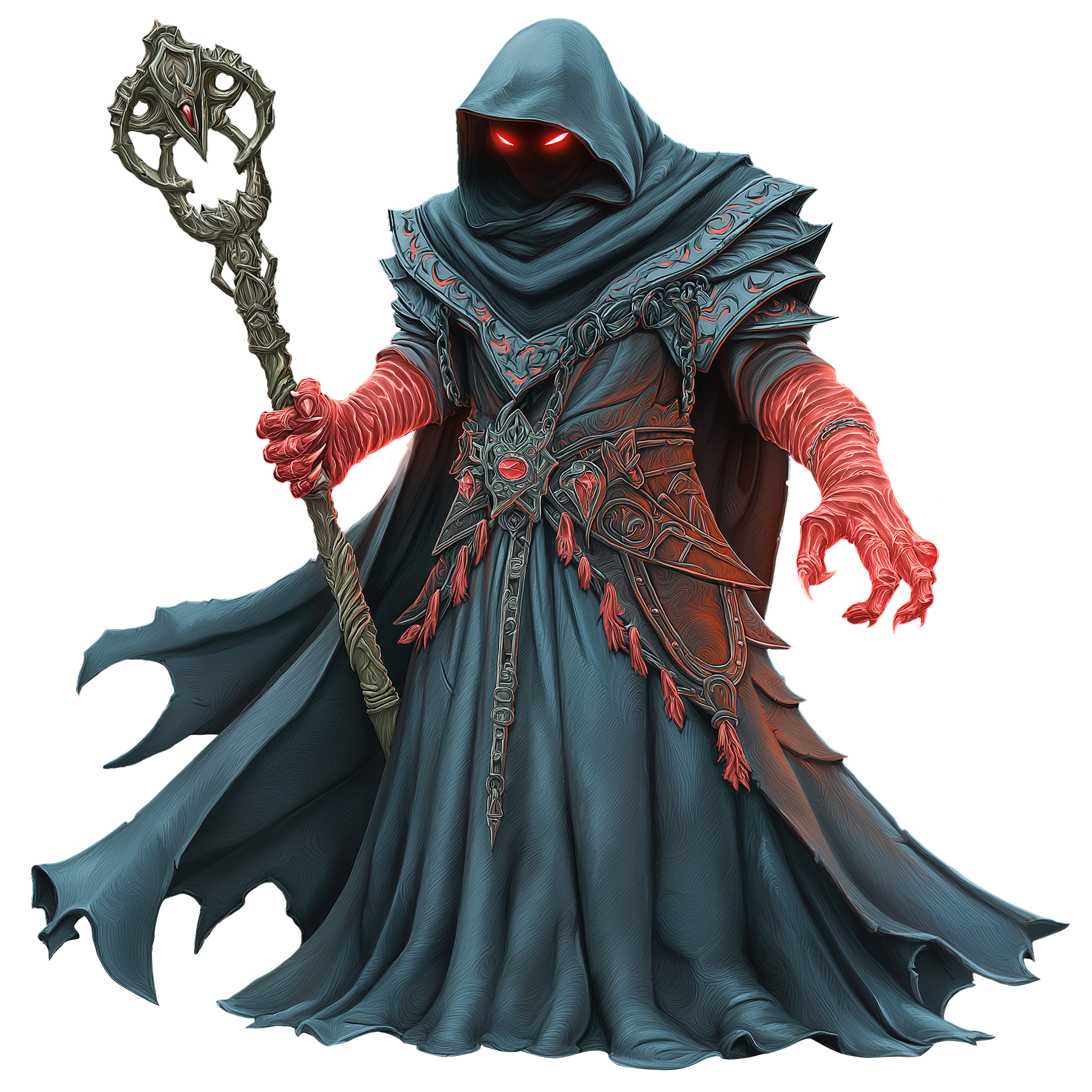

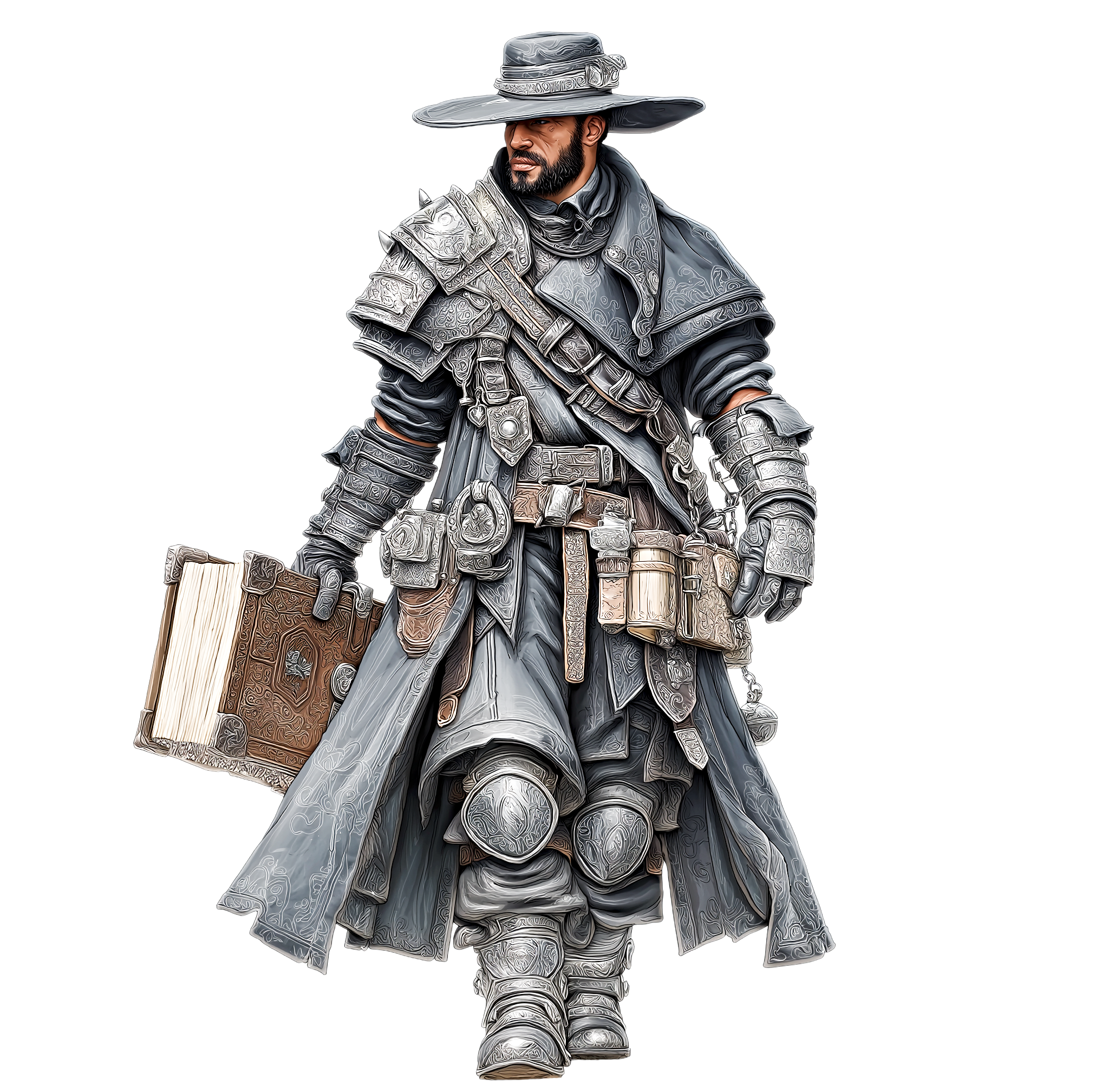
Archmage:
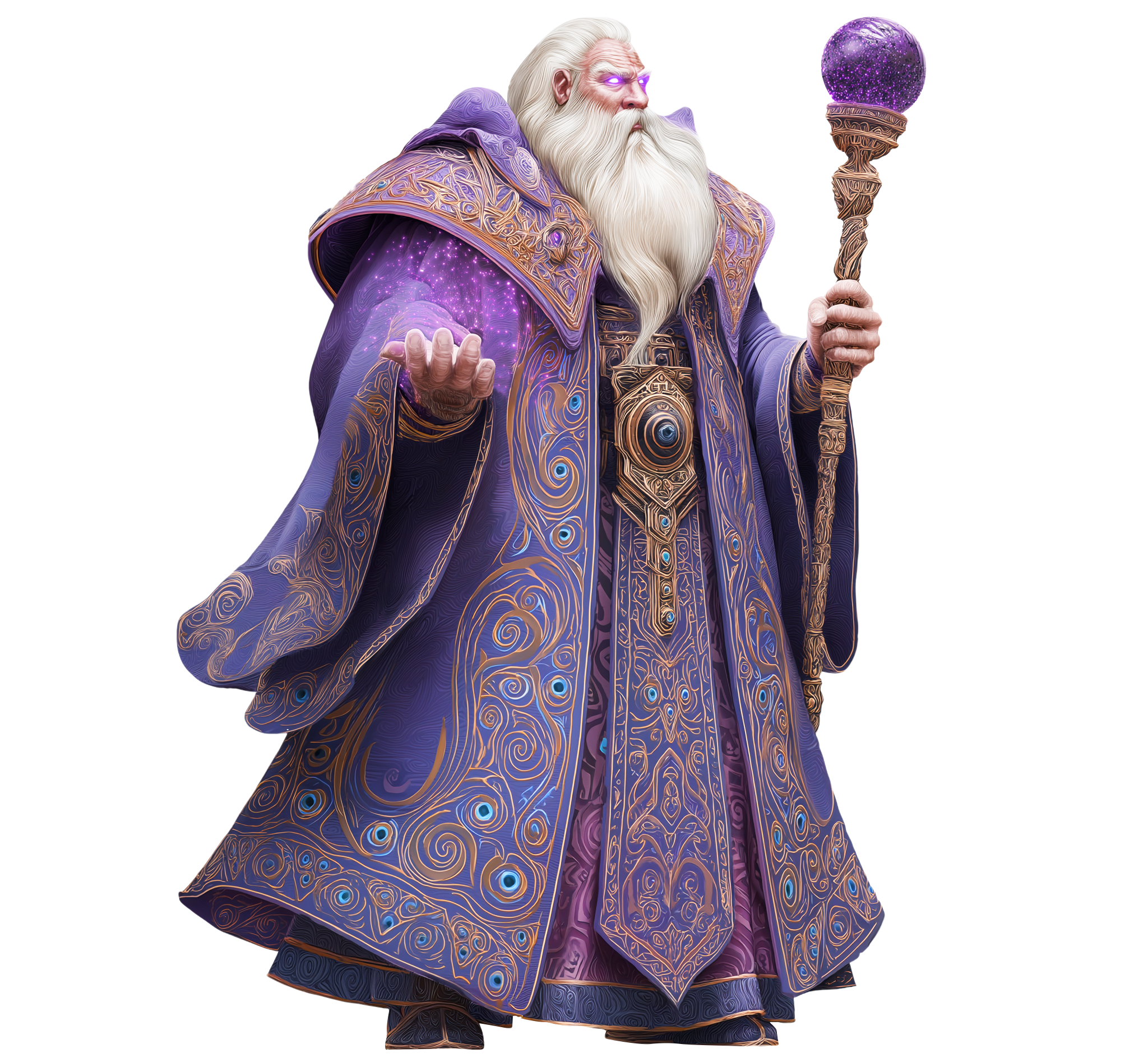
The Archmage is a utility hero. He doesn’t pack the combat punch of a Barbarian, the straight-up stack support of a Paladin or Priest, or the speed and synergies of a Wind Caller.
But what the Archmage does offer is a wide variety of powerful spells which can substantially influence almost any situation. From Arcane Vision reconnaissance, Illusion trickery, the direct power of Lightning Bolts, to the maneuverability afforded by Teleportation, the Archmage is a uniquely useful hero type in Dragon Lords.
Players who prioritize adaptability and flexibility, who recognize the importance of knowing when to duck and when to punch, will be drawn toward choosing an Archmage as their first hero.
Assassin:
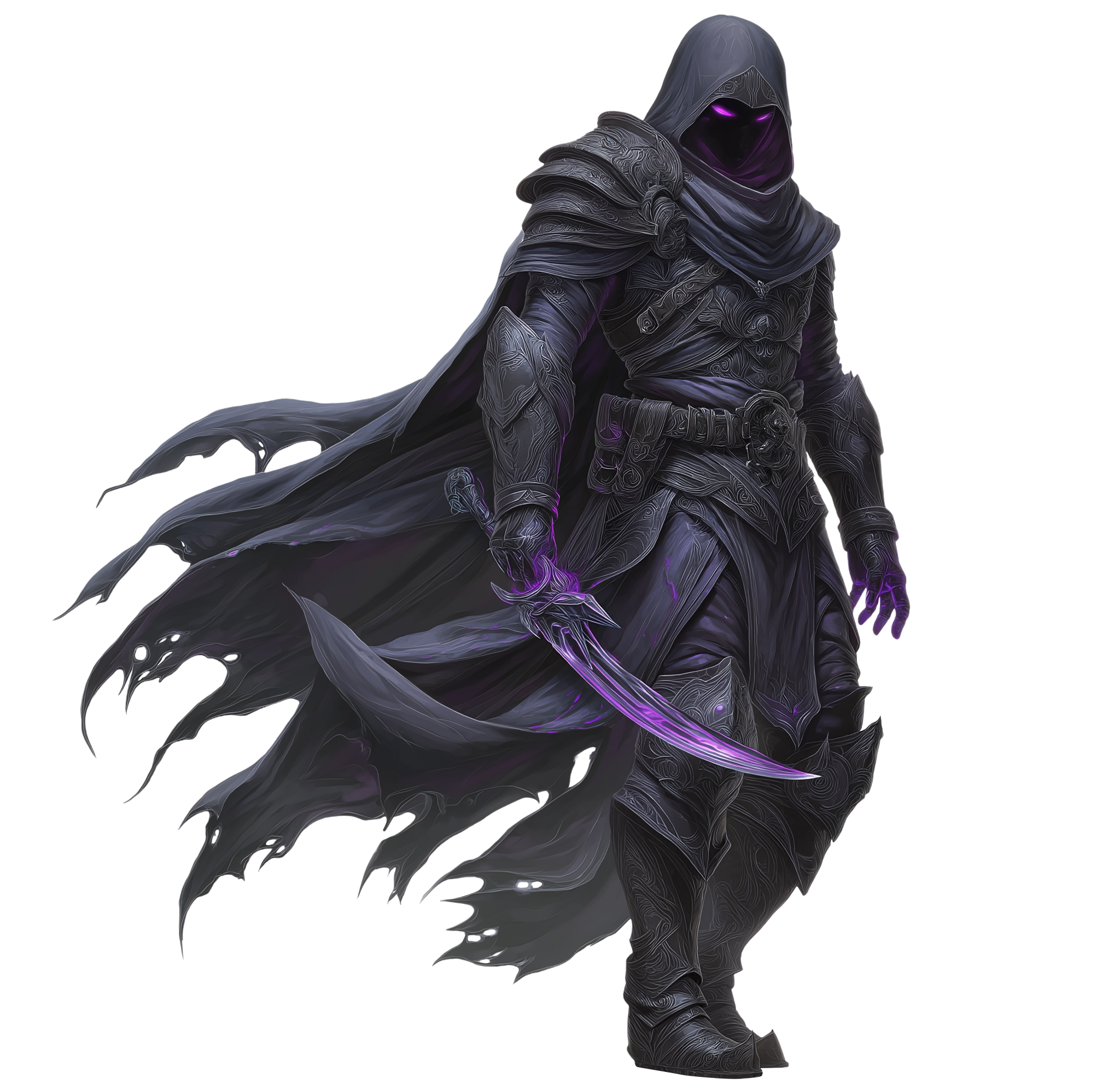
You’ve probably heard the phrase “death by a 1,000 cuts”. Well, if you haven’t heard about it, you might get to experience it if your opponent develops a high level Assassin and you don’t have the tools to slow that Assassin down.
Unlike most heroes in Dragon Lords, the Assassin is not allowed to be in a stack with other units. He works alone. And by “works”, we mean kills.
The Assassin is a hit-and-run hero, capable of hunting down enemy stacks, disabling key units, executing enemy armies, and leaving the scene all without entering formal combat. Of course, there are ways to slow the Assassin down. But, with cunning play, the Assassin can wait, watch, and, when the time is right, strike.
Players who enjoy pressuring their opponent consistently, slowing them down, tiring them, chipping away, and, eventually, delivering the final fatal blow will be drawn toward choosing an Assassin as their first hero.
Barbarian:
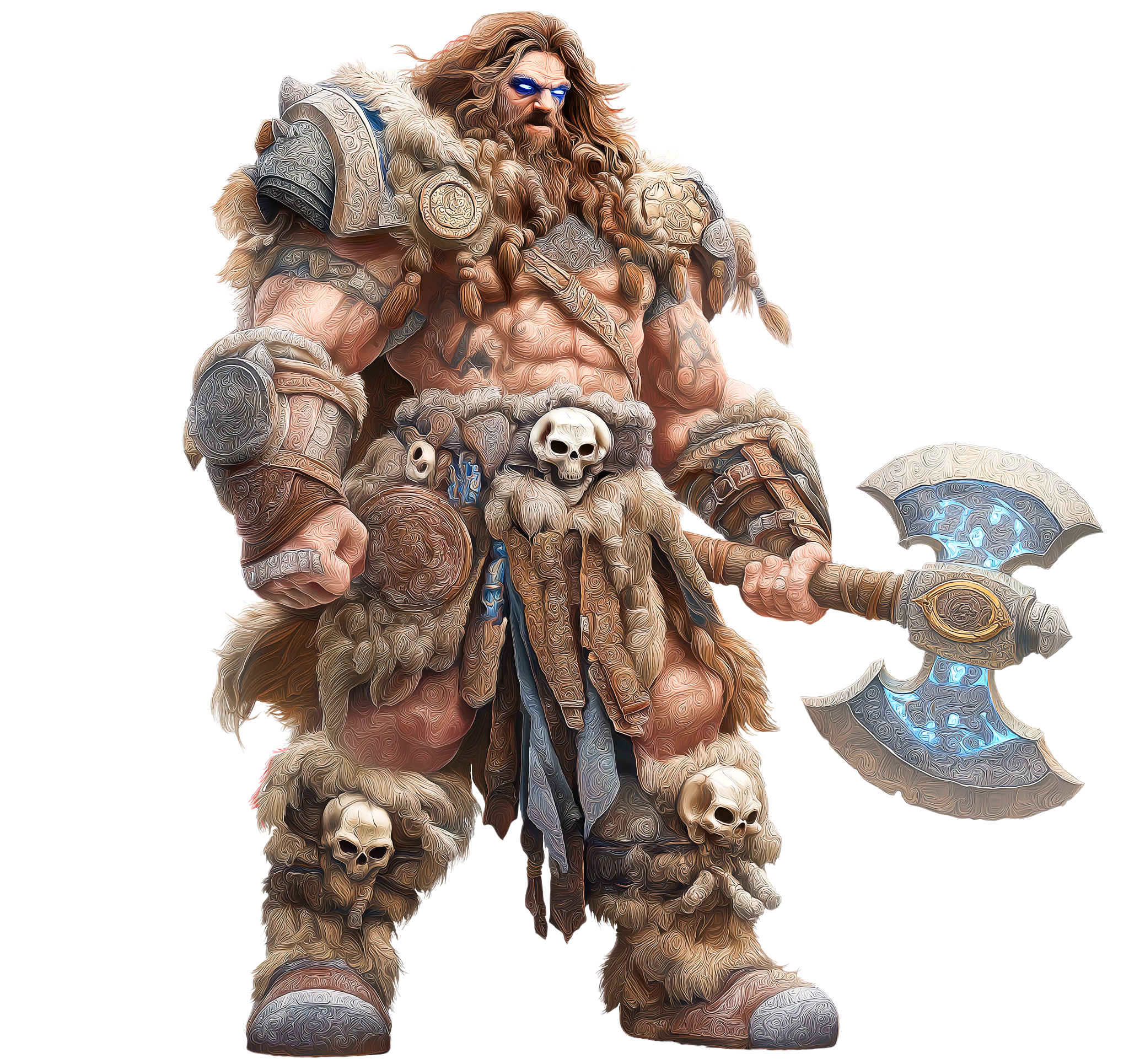
The Barbarian isn’t death by 1,000 cuts. He’s death by a single axe to the chest, fist to the head, and foot to the neck.
The Barbarian is a single-unit powerhouse, capable of single-handedly dominating large enemy stacks. If a Barbarian becomes high enough level, he’s capable of destroying dozens of enemy units all on his own. And he’s capable of leveling prowess and finesse abilities which allow him to neutralize the more advanced skills of higher-tier enemy units. We won’t even spend time discussing what happens if the Barbarian gets his rage going (my brief advice in that situation is: RUN!).
To supplement his combat power, the Barbarian can also level up his abilities that improve his skill at searching ancient ruins. Thus, while the Barbarian doesn’t provide support to allied armies, he makes up for it with his aggressive, direct application of force, whether to enemy armies or the horrors found in ancient ruins.
Players who are drawn to choosing the Barbarian as their first hero probably also like the phrase: “Never mind the maneuvers, just go straight at ‘em.” Some might think this raw-power approach simplistic. But Barbarian-prone players know there’s a deep wisdom to identifying your target and bringing all of your energy and power to bear with unrelenting focus and force.
Chancellor:
You might not be able to find hero more different from the Barbarian than the Chancellor.
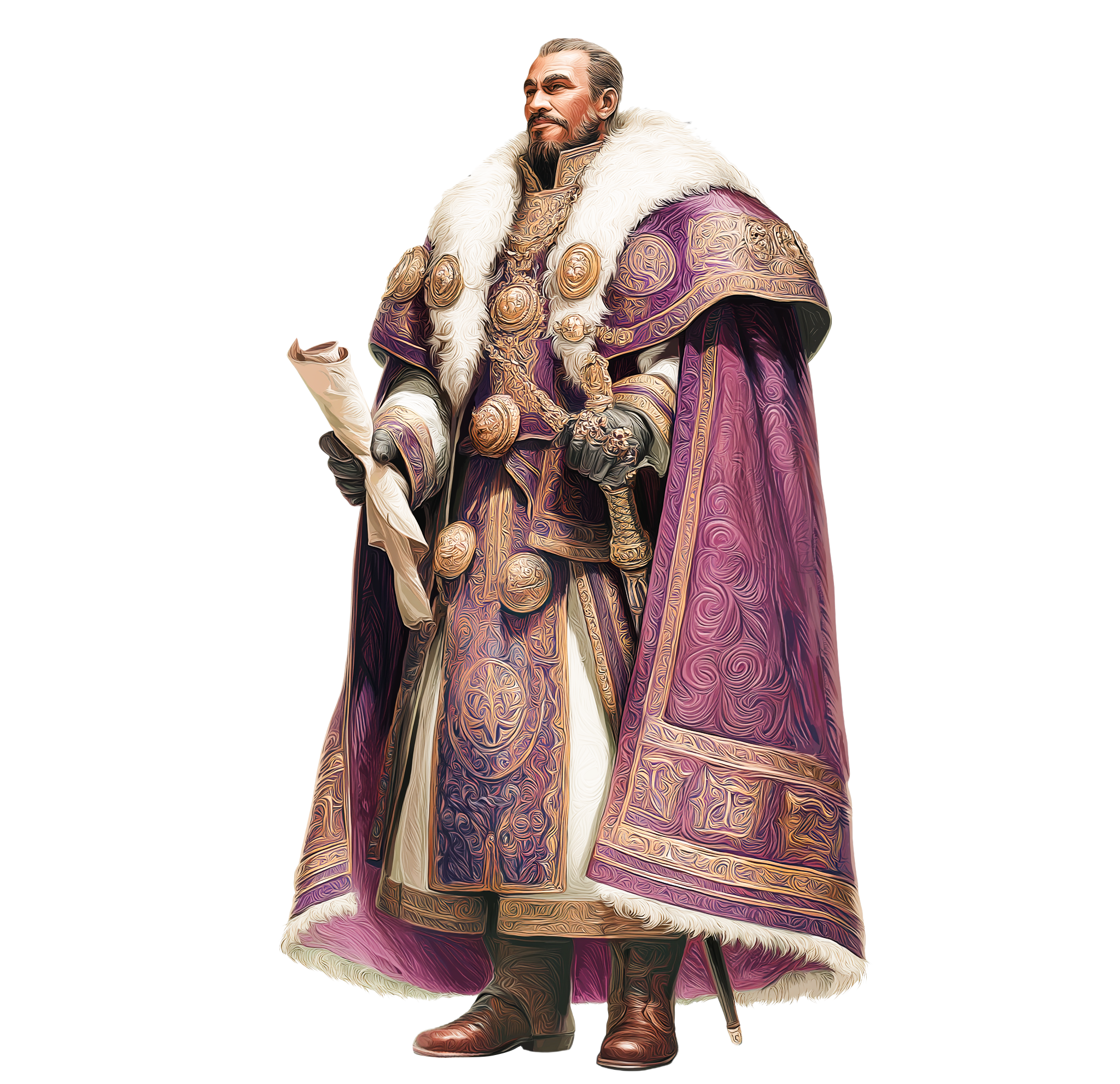
The Chancellor can’t fight at all. Well, it’s not that the Chancellor “can’t” fight…it’s that he fights worse than a unit of light infantry. Of course, you don’t hire a Chancellor to fight. You hire him to boost your econ. And boosting your economic capabilities is the Chancellor’s bread-and-butter.
But economic development is not all the Chancellor is capable of. You can choose to level his ability to support your spy-network, disrupt your opponents treasury, and even aid in the development of your domestic potions and scrolls.
The type of player who favors a Chancellor first hire will usually take seriously the idea that, over a long enough timespan, war is an economic affair. So these players are willing to carefully tend their cities, consistently execute on their plan of development, and reap the late-game rewards as they play the long game.
Druid:
In many ways, the Druid is at the other end of the spectrum from the Chancellor. Where the Chancellor develops cities, the Druid hampers enemy city development. The Druid calls upon the power of nature to rot enemy buildings, disrupt enemy production, break enemy walls, hamper the enemy economy, and entangle enemy forces.
But the Druid isn’t just a defender of Nature in the face of enemy civilizational encroachment. He can be built in a way that supplements his spells with strong and versatile shapeshifting ability: Is that a scouting eagle you see? Or is that a Druid in eagle form? If it’s just an eagle, no need to worry. If it’s a Druid (who isn’t as strong as a Barbarian in single combat but is still very formidable), your exposed cities might be in trouble.
The Druid’s spells, combined with his shapeshifting, gives him the ability to quickly move to areas of the map and make his presence felt, either through his powerful magic or his ferocious shapeshifting might.
Druid-first players generally prefer a balanced approach to their strategy. An approach that combines disrupting the enemy, dynamic movement, and, when the time is right, hitting hard. Druid-first players trust that these abilities, skills, and spells combine in a way that’s great than the sum of their parts.
Enchantress:
Although the Enchantress possesses many utility spells capable of aiding your empire, her central skill is enchant. Enchant allows the Enchantress a chance to momentarily take control of enemy units. A common tactic is to enchant an enemy unit, then send that enchanted unit on a suicide mission against the enemy, dealing as much damage as possible along the way.
The higher level the Enchantress, the more times she can attempt to enchant enemy units per turn, the longer the range she can cast this spell, and the higher percentage the chance of success. As a result, a high level Enchantress can absolutely devastate your opponents stacks…and overall strategy.
But all of this comes with an important catch. The Enchantress’ power and magnetism is so disruptive, she’s not able to be in a stack with friendly units. She’s always on her own. Thus, while she’s capable of tremendously disrupting enemy armies, she’s also constantly vulnerable.
As a result, skilled Enchantress players will balance the raw power of her enchant skills with her numerous defensive and utility spells, increasing her survivability.
General:
The General could be described as the hero that’s the heart-and-soul of Dragon Lords. That’s because the General is all about stack building. The General’s foundational, and in many ways most powerful, skill is the ability to increase the size of his stack. The default stack size maximum is 8. The General can raise the size of his stack to 13.
Increasing the max stack size is critical because, once a stack gets to a certain size, with synergy upon synergy working together, it can become practically impossible to stop. The challenge faced by the General is that his strengths only really start to be felt later in the game, as truly strong stacks are formed. Until that time, the General does not provide the same level of power boosting effects to his stack as other heroes. Fortunately, the General has a variety of skills to protect himself, his stack, and his empire until that time comes.
Only players who are willing to go all the way into the heart of strategic play are likely to choose a General first. Selecting a General first requires attention to every detail, from city development, army production, intelligence, positioning, and decisiveness. But the payoff for this strategic mastery is watching your opponent squirm in your python-like grip as he realizes that all has been accounted for and he’s powerless to change his inevitable outcome: Defeat.
Illusionist:
Dragon Lords isn’t just about having strong armies and strong stacks. It’s about having strong armies and strong stacks at the right spot at the right time. And what counts as the right spot at the right time depends on where your opponent’s armies are located.
Enter the Illusionist. Players who favor the Illusionist know well that it’s not pure strength that wins games. It’s strength when and where it’s needed. So the Illusionist player bases their strategy on constantly confusing their opponents strategic sense of where armies are needed.
When playing against an Illusionist, you’ll never know if an enemy stack is a real army or just an illusion. The only way to find out is to enter direct combat, but that involves using valuable armies to scout and enter battle. And, even if you enter battle, you won’t know if an enemy army is real or an illusion unless they enter direct combat. But, what if the army is at the back of the stack, shielded from direct combat? Uncertainty everywhere.
The doubt, disorientation, and indecision, a high level Illusionist can cause is unrivaled. But…none of it is real. Illusions can’t fight. They can’t capture or defend cities. They can’t destroy armies. So, although there’s no hero better at confusing an opponent, that confusion must result in tangible mistakes by your opponent or all the Illusionist’s trickery will be for nothing.
Jester:
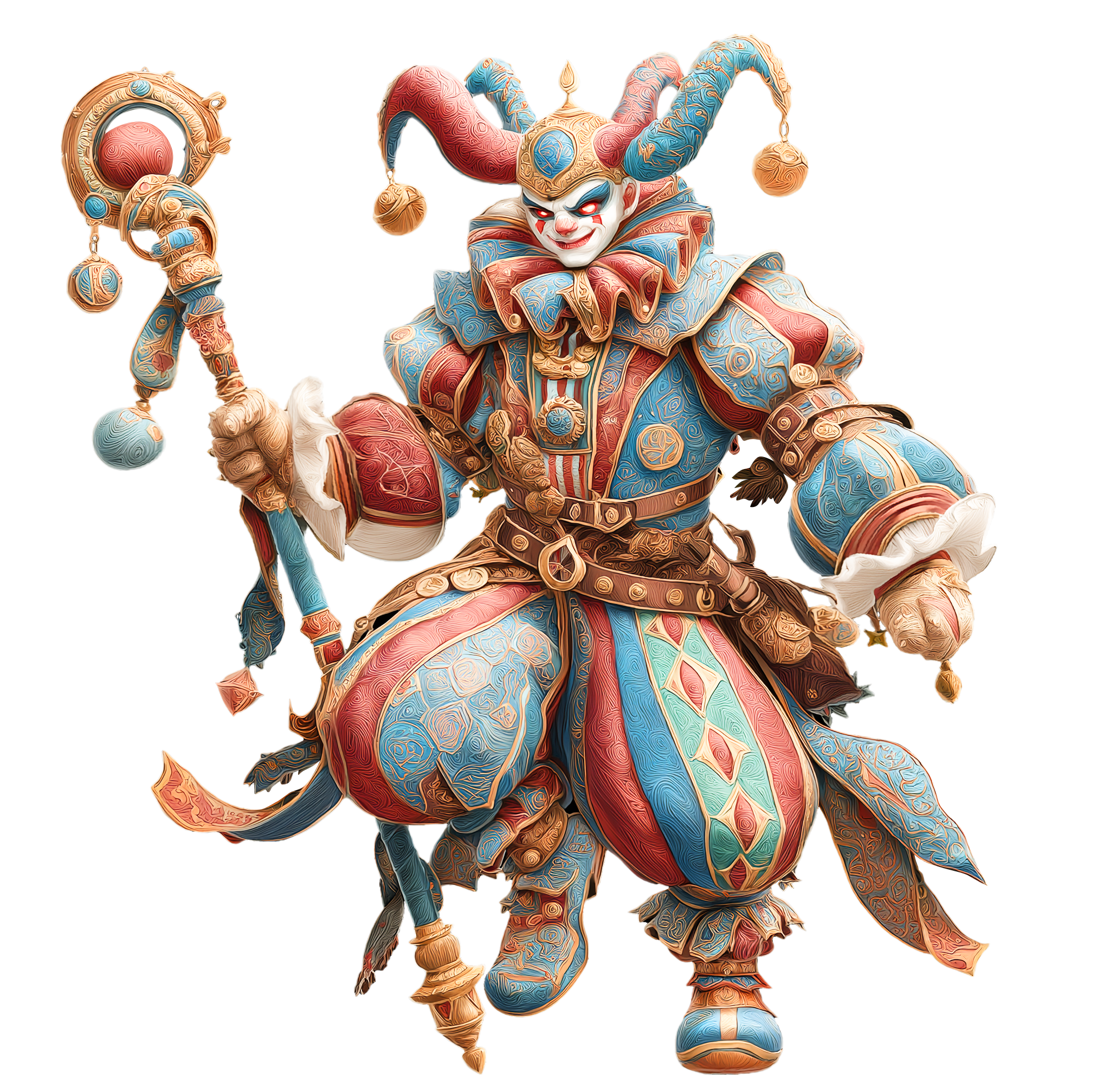
You’ve chosen a Jester. Eventually your opponent realizes you’ve chosen a Jester. Unfortunately for your opponent, knowing that you’ve chosen a Jester is not particularly helpful. Because a Jester can be built in wildly different ways.
Maybe you’ll build the Jester as a full support hero, boosting the strength of your stack like a Paladin or a General. Yes, you won’t support a stack quite as well as a Paladin or General would, but you can still provide powerful stack bonuses. Or perhaps you’re building your Jester primarily with the combat skills, developing him into a powerful single-unit warrior — not as strong as a Barbarian but strong nonetheless. Then again, you might also be leveling your Jester along a spell-casting and utility line, counting on the Jester’s powerful disables and battlefield influencing spells. It’s even possible that you’re going down the luck skill route, counting on good odds in the long-run working to your advantage.
Whatever paths you choose, Jester has a variety of ways to disguise which paths he’s taking from his opponent.
We say that Dragon Lords is about Discovering, Developing, Deceiving, and Dominating. Well, the Jester can do all of those things. At bottom, though, the Jester maximizes his effectiveness by repeatedly deceiving his opponents about his intentions. This is why players who are drawn to choosing a Jester first are aligned with the idea that one artfully crafted deception is worth a fortress full of soldiers.
Monk:
Unique among Dragon Lords heroes, the Monk doesn’t level up his skill tree via distributing skill points. Instead, the higher the level the monk, the more chi the monk has available. And the Monk always has access to all his available skills…assuming he has enough chi. This makes the Monk a very flexible and powerful frontliner in almost all situations.
Is your opponent prioritizing ambush units? The Monk can counter that. Disease? The Monk can counter that. Stealth and invisibility? The Monk can counter that. Powerful physical debuffs? The Monk can counter that. Powerful magic debuffs? The Monk can counter that. You get the idea.
Further, the Monk can boost his own power, including movement bonuses, combat, and ruin searching ability.
But the Monk’s ability to counter enemy effects is double-edged. While the Monk can be practically invulnerable in some areas, he can’t be invulnerable in all areas. The Monk must know what, when, and where to counter enemy abilities. If he doesn’t, he won’t last long.
This is why playing against a good Monk player can feel like banging your head against a concrete wall but playing against a Monk incorrectly used will feel laughably easy.
Nexoth:
The Nexoth spreads terror across the world. Terror that reduces the combat effectiveness of enemy armies. Terror resulting from the fact that each time a Nexoth wins a battle, he, and his stack, grow more powerful. Terror because the Nexoth always has a small chance to corrupt enemy units, instantly and permanently gaining control of them.
This terror doesn’t just impact enemy armies. It disrupts enemy cities, enemy heroes, enemy governors, and the enemy prestige and treasury totals.
And if a Nexoth begins capturing cities in your territory, it’s quite likely he’ll burn them down, summoning swarms of new armies from the ashes. Things can quickly get out of control.
A lethal combination of straight-up firepower and oppressive global effects, a Nexoth is a slow starter that slowly builds into a tyrannical force across the entire map.
Paladin:
Justice. Balance. Strength. The call words of a Paladin.
The Paladin is a flexible hero who can provide bonuses to friendly armies (locally and globally), bonuses to friendly cities, and bonuses to the empire’s prestige and treasury. He increases the chances that allied armies and other heroes will join your cause. He can even provide important information about the map through his divination-related skills.
He’s also one of the strongest ruin-searching heroes in Dragon Lords and a Paladin that has become well-equipped with magical items from ruin-searching will march as an unstoppable force through hordes of enemies.
All of the abilities culminate in a versatile hero that can amplify the power of your empire based on the needs of the situation.
Priest:
The ultimate support hero.
Unsurprisingly, the Priest doesn’t fight well himself. Instead, the Priest provides the most powerful supportive spells in Dragon Lords. These supportive spells are capable of buffing local and empire-wide armies, shielding local and empire-wide armies from enemy effects, improving the defenses of friendly cities cities, healing allies during battle, and even resurrecting fallen armies who have been destroyed.
The Priest’s ability to protect friendly armies is unrivaled. However, like all things in Dragon Lords, this comes at a cost. The priest does not provide offensive bonuses. As a result, players choose a Priest hero typically enjoy using a rock-solid, defensive play style. This usually results in a positional and strategic war, where very long-term planning and related maneuvers become central.
Ranger:
The Ranger is all about information gathering. Part of this means that the Ranger can quickly and powerfully increase his range of vision, his detection and truesight abilities, and the capability to identify and track enemies from vast distances.
But it also means that the Ranger prioritizes getting to where he needs to be to gather information. This means the Ranger can also develop into a blazingly fast unit, quickly moving through all terrain types, and even doing so invisibly (for himself and his nearby allies).
Of course, once the Ranger gets to where he’s going, he’ll want to dispense with any pesky enemy units in the area. Although not suited for large-scale battles, the Ranger excels at destroying small groups of units with his stealth and ambush skills combined with unmatched speed.
Players who choose the Ranger hero love knowing exactly what their opponent is doing, methodically exploiting weak points, and then, when the time is right, finishing the job.
Warlock:
Unlike the Ranger, who is constantly moving throughout the map, the Warlock often never leaves the protection of a friendly city’s walls.
That’s because the Warlock’s primary skill is Blood Magic, which involves sacrificing friendly units to the Warlock in order to provide the Warlock fuel. With this fuel, the Warlock specializes in casting spells with global range. In addition to the power of the Warlock’s global range, he also brings flexibility. He can empower friendly stacks, weaken enemy stacks, reveal critical areas, catch and kill spies, even summon powerful demons.
The ability to generate powerful, flexible, and global effects is strong. It allows the Warlock to apply powerful force exactly where it’s needed. Playing against a skilled Warlock can feel like having a spiked boot on your throat.
However, this power comes at a cost. The Warlock requires constant fuel to have an impact and this means that much of the Warlock’s empire’s production won’t ever make it to the front lines…because their destined for the sacrificial altar. As a result, the players who prefer choosing a Warlock first enjoy (and probably must) seizing the initiative early in the game, force constant confrontation, and never letting up. Because there aren’t many reinforcements waiting if things at the front don’t go well. All that remains of those reinforcements is the echo of their screams through the void.
Windcaller:
Speed is the essence of war. The victor is he who can bring the greatest number of armies to bear at the decisive point.
Players who choose the Windcaller take these ideas seriously.
And so they use the Windcaller’s powerful control of the sky to speed allies, dampen-destroy- and-divert enemies, and control the battlefield with potent terrain controlling effects.
High level Windcallers have a global impact, both substantially increasing the speed of all friendly units while also hindering the movement of all enemies. There’s little a Windcaller player loves more than reading you squeal in the game chat “How did you get their so fast?” as their clumsy and slow reinforcements realize their on the wrong side of the map.
Witch Hunter:
Perhaps it’s suiting that the Witch Hunter is the last hero described.
Because the Witch Hunter is the hero devoted to negating and purging all of them. The Witch Hunter inhibits and suppresses enemy heroes through his powerful (and often global) anti-magic. He can forbid the use of specific enemy skills and spells permanently. And he substantially increases the cost of enemy player’s hiring new heroes.
Additionally, the Witch Hunter is unusual in that he gains experience automatically. As a result, the Witch Hunter will predictably gain new levels over the course of the game without having to participate in direct combat or search ruins.
But just to be clear: The Witch Hunter does like to search ruins. He just doesn’t search ruins in order to gain experience. He searches ruins because he’s the best ruin-searching hero in Dragon Lords and, although the Witch Hunter detests magic, he’s willing to use it, and the powerful magic items he salvages from ruins, to condemn and annhilate his enemies.