The key mechanic of Dragon Lords is stack building.
But what are stacks and how do they work?
To understand stacks, you must understand how combat works. Let’s imagine we have a light infantry unit from player one and a medium infantry unit from player two:

In Dragon Lords, all combat takes place using a 100-sided die roll. In combat, each unit rolls a 100-sided die. If a unit rolls below their combat score, they get a hit. If one unit scores a hit and another unit scores a miss, the missing unit loses one hitpoint. If both units score a hit, both units reroll, repeating this until only one unit scores a hit. Most (but not all) units have two hitpoints, requiring two hits to be destroyed.
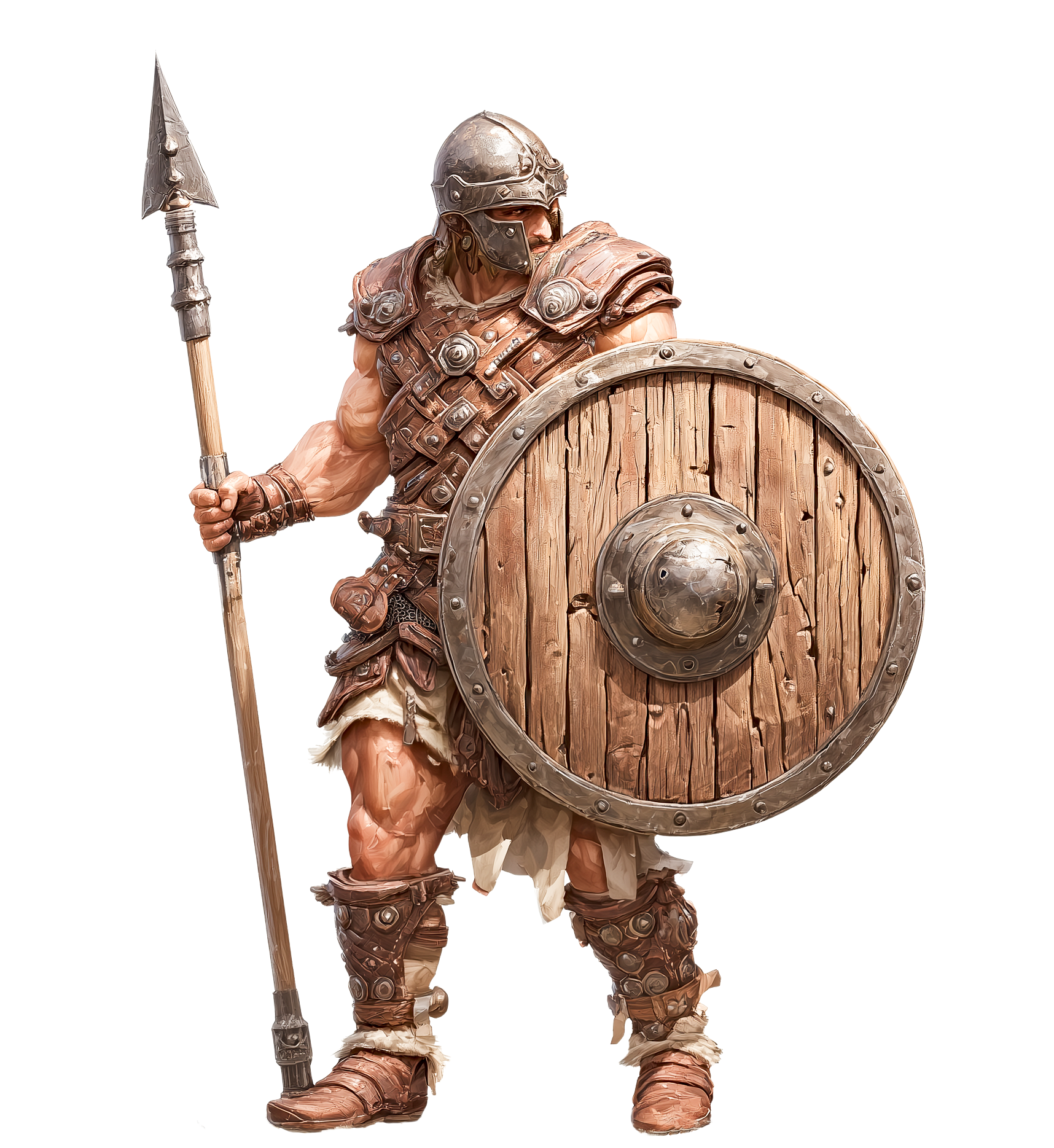
So, how does this apply to the combat between a light infantry and a medium infantry? All units have two combat values: Their attack value and their defend value. A light infantry has an attack value of 5. A medium infantry has a defend value of 10. So the stage for combat is set. Both units will roll a d100. The light infantry must roll a 5 or below to score a hit. The medium infantry must roll a 10 or below to score a hit.
In this battle, the light infantry has a 24.4% chance to win the battle. Before we let this likely victory go to the medium infantry unit’s head, let’s set the stage for another battle: A medium infantry against a knight.
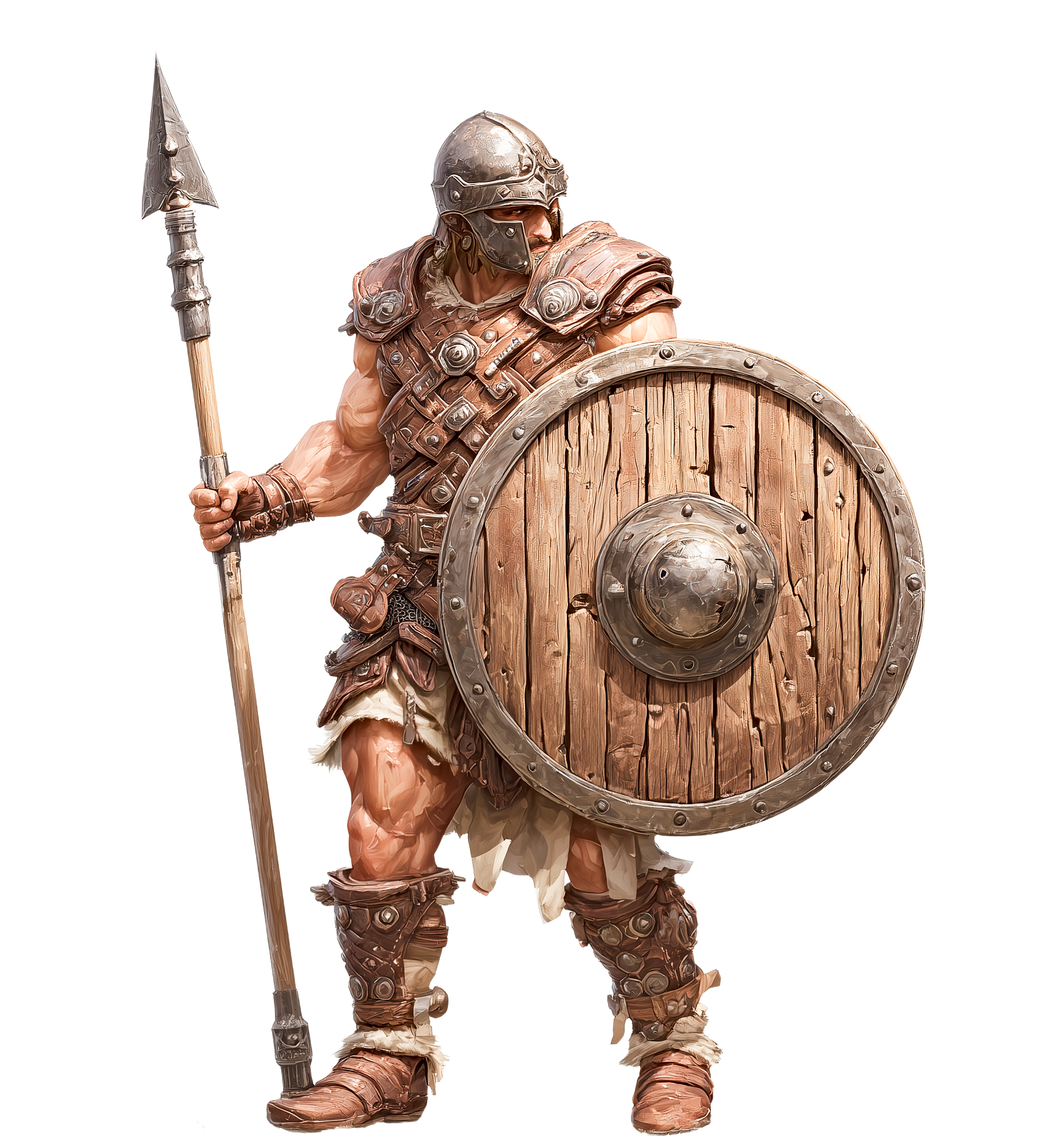
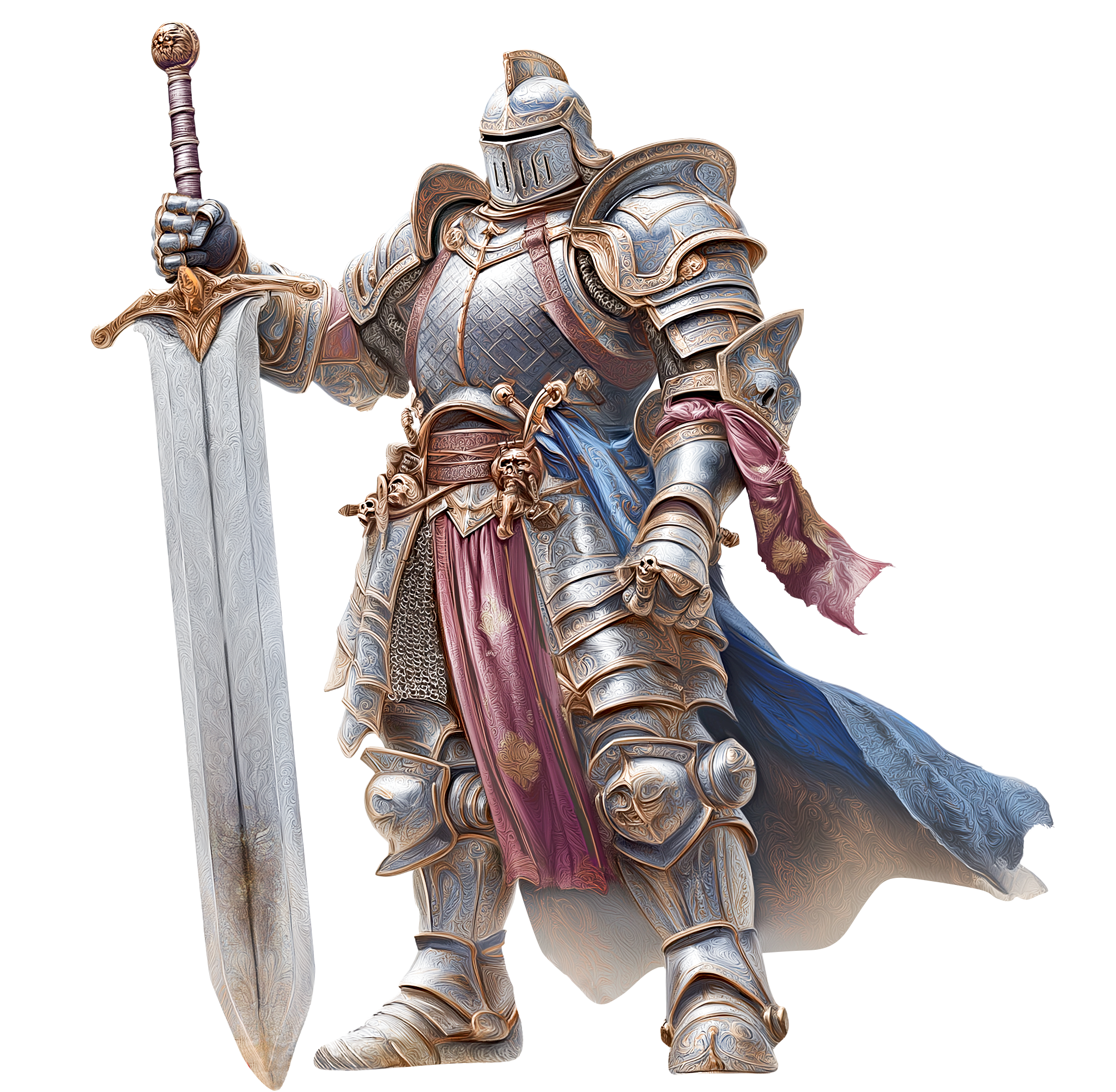
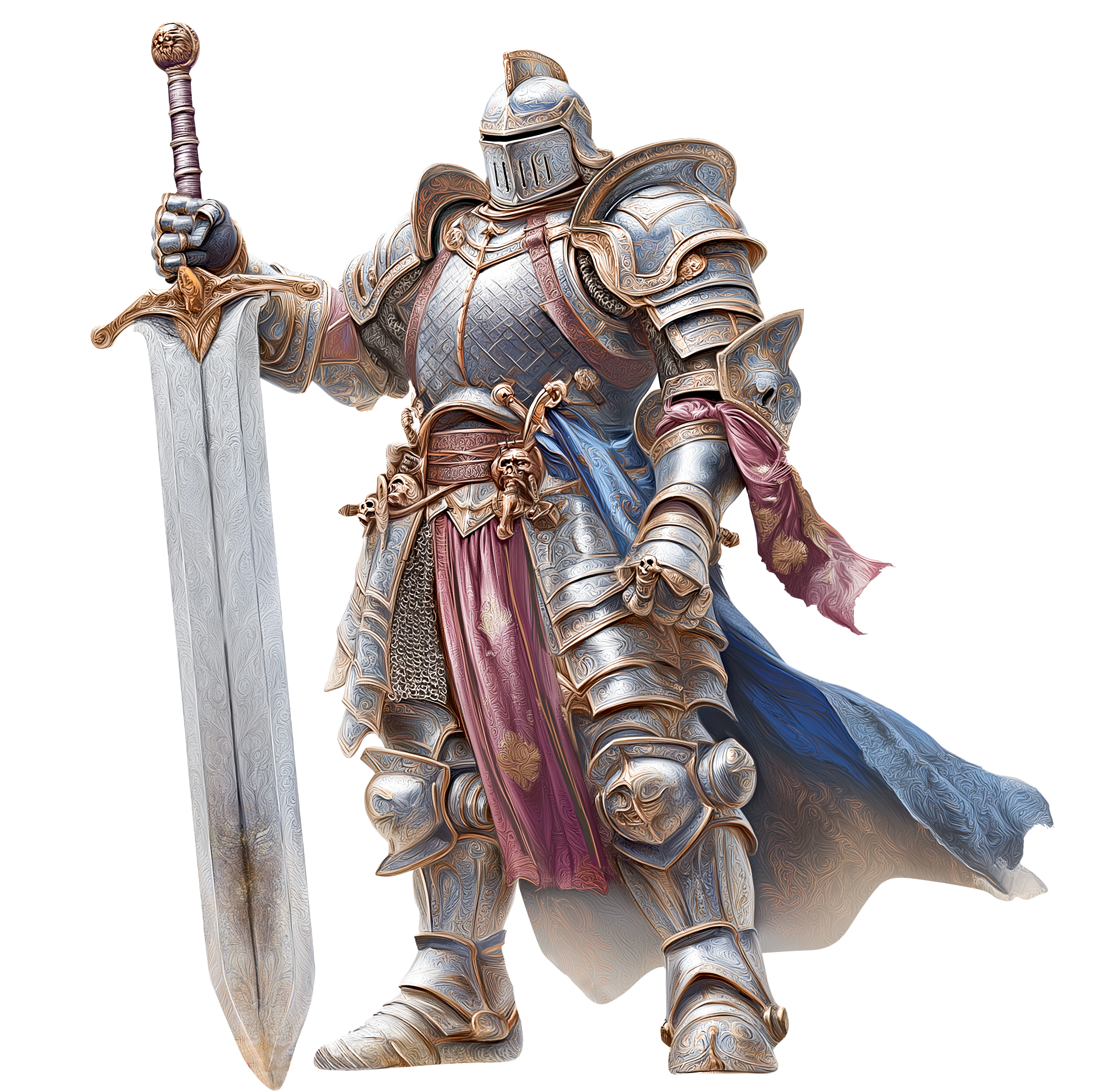
A medium infantry has an attack combat value of 10. A knight has a defend combat value of 40. Also, a knight as three hitpoints, not two.
Statistically, the knight will win this combat 99% of the time. Before we let this likely victory go to the knight unit’s head, let’s set the stage for another battle: A knight against a titan.
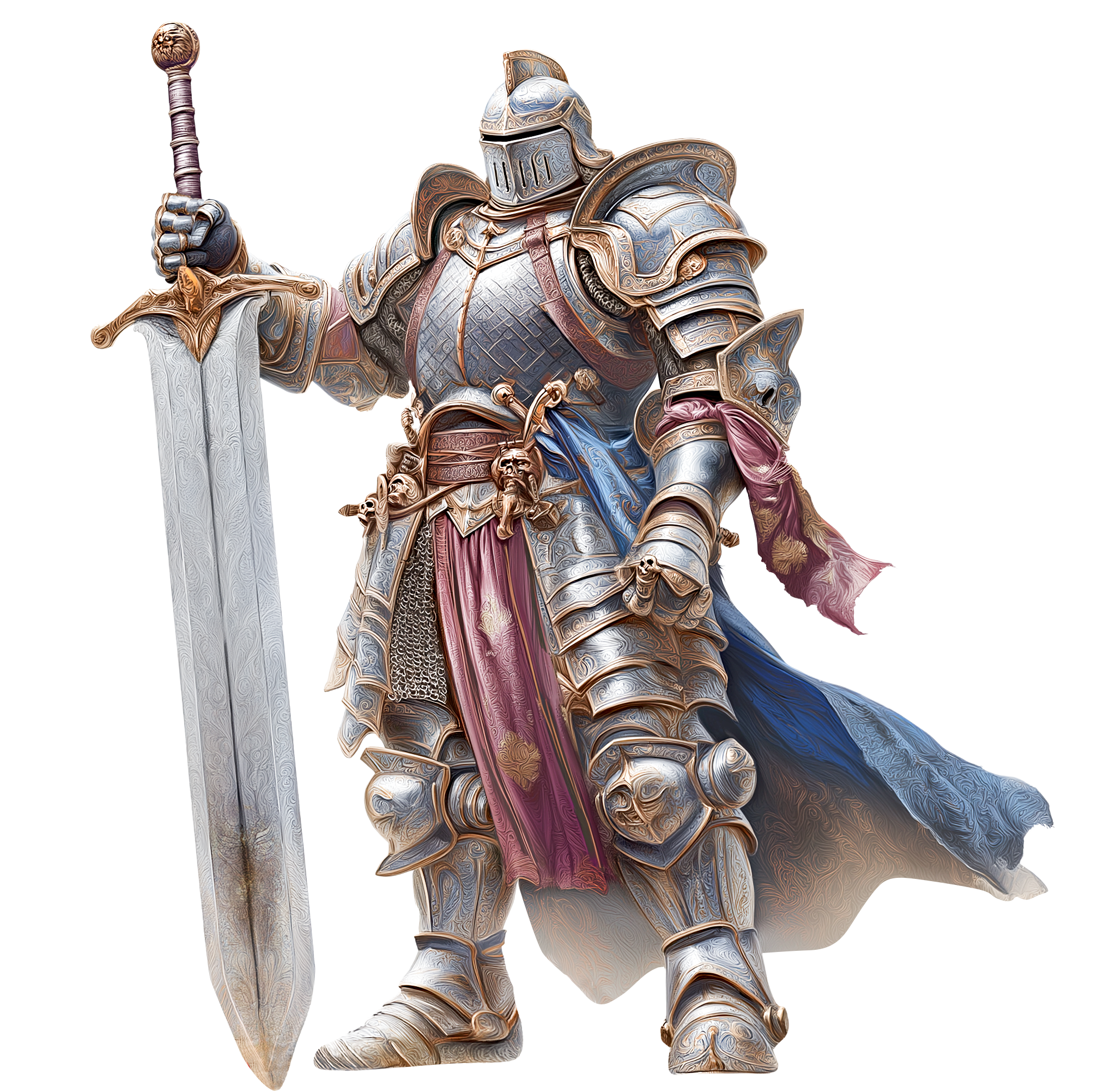
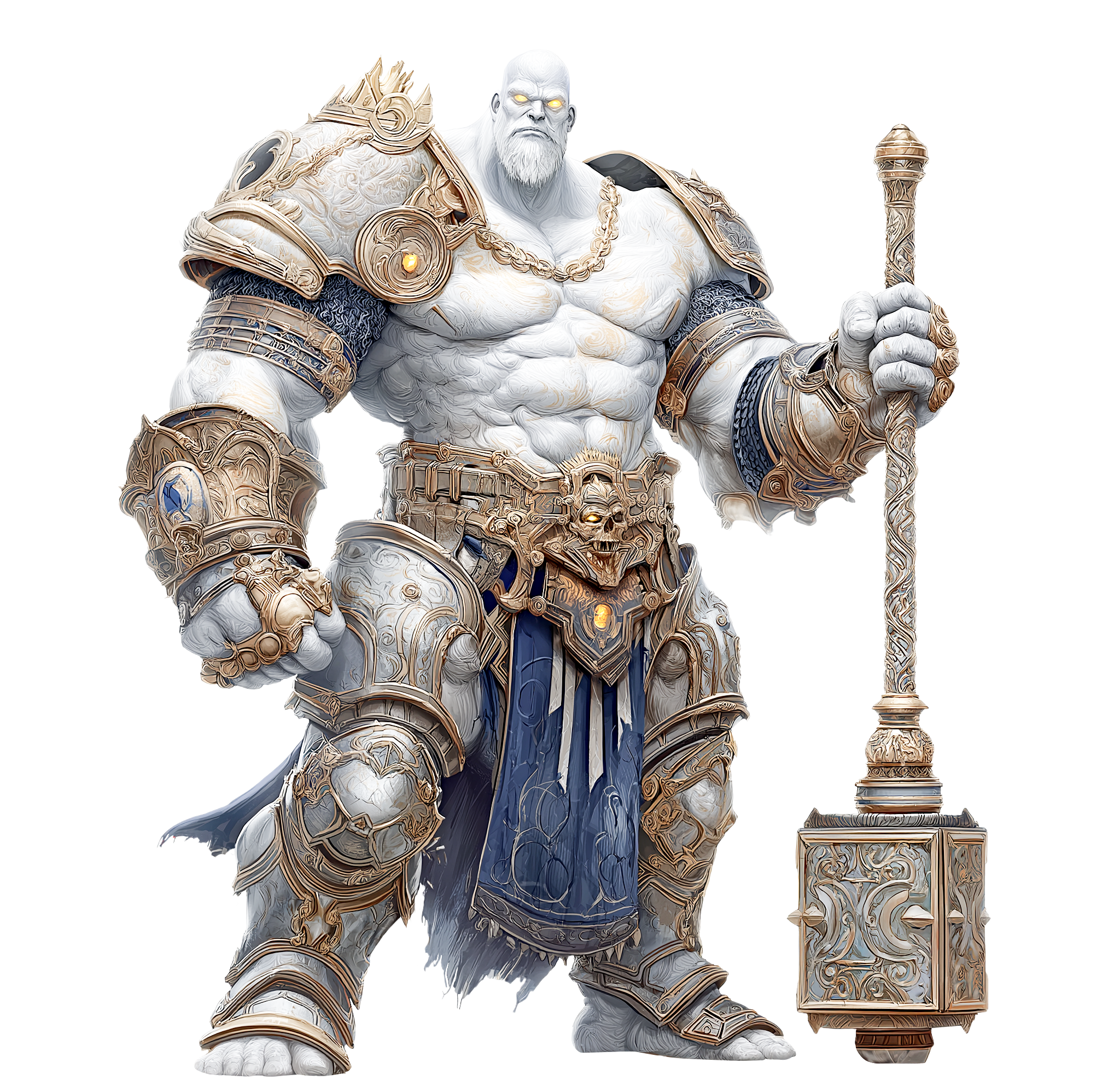
A knight has an attack combat value of 40. A titan has a defend combat value of 75. Also, a titan as four hitpoints, not three.
Statistically, the titan will win this combat 87.2% of the time. This is combat in Dragon Lords.
But one unit isn’t a stack. A stack is a group of units. The maximum stack size in Dragon Lords is eight (there are ways to increase this size, but we’ll set that aside for now).
Let’s imagine a battle between a knight unit and 8 light infantry units:
Even though there are eight light infantry, combat is resolved in individual combat, one combat at a time. So, the knight fights the first light infantry. After that combat is resolved, if the knight is still alive, it will fight the next light infantry. If one of these light infantry score a hit, the knight will lose one hit point and that damage will last throughout the entire battle. In other words, no single light infantry has to score three hitpoints of damage to kill the knight.
For example, lets imagine in the combat between the knight and the first light infantry, the light infantry is lucky enough to score a hit before being destroyed. This means that the knight has gone from three hitpoints down to two and the remaining seven light infantry only have to score two hitpoints of damage to be victorious.
Unfortunately, even though there are eight of them, statistically, the light infantry will only win this battle 14.05% of the time. Not good odds.
To really begin seeing how stacks work, let’s give the light infantry some help: A pegasus.
A pegasus is much stronger than a light infantry, defending at a combat value of 25. However, that’s not the most important power of a pegasus. A pegasus adds +5 combat to all friendly units in the stack. This means that all the light infantry units are defending at 10 instead of 5.
Statistically, the light infantry and pegasus will win 61.61% of the time — a huge improvement compared to eight light infantry fighting without pegasus support. But let’s take it to the next level: Instead of the light infantry being supported by a pegasus, the light infantry are supported by a gold dragon.



A gold dragon adds +10 to the combat value of friendly units in the stack. Thus, instead of the light infantry fighting at 10 (with the pegasus support), they’re not fighting at 15 (with the gold dragon support). And the gold dragon has a defend combat value of 30. But the gold dragon’s bonus also applies to itself, so the defend combat value of the gold dragon goes to 40.
In this battle, statistically, the light infantry plus gold dragon win 87.67% of the time.
Now, you might be thinking: What would happen if you included two gold dragons, adding +20 instead of +10. But that’s not how it works. Pegasus and dragons (and many other units) have a “+ to morale” bonus and only the highest bonus to morale applies.
But, you could add a courage bonus to the morale bonus. But there are very few units that add to courage. One of those units is the paladin hero unit.

A courage bonus works just like a morale bonus. It’s just that it’s a distinct bonus that can “stack” with a morale bonus. How much courage bonus does a Paladin provide? It depends on the level of the paladin and how many skill points the paladin has invested in his courage bonus. But, for the sake of this example, let’s imagine that the paladin has invested four skill points in the courage bonus: This results in +15 courage to stack.
Now, the light infantry are getting a +10 morale bonus from the gold dragon and a +15 courage bonus from the paladin: A +25 bonus. Those weak light infantry are now each fighting at 30 instead of 5. For now, we won’t even dive into the paladin’s combat value (another skill he can upgrade), and we’ll just assume the paladin is fighting at his base combat value of 20 (but receiving a +10 bonus from the gold dragon and a +15 bonus from self, for a total of 45 combat value).
Statistically, the paladin stack will win 99.77% of the time. The knight stands no chance.
But what if there are eight knights?

Now the eight knights win 95% of the time. We need to give the paladin stack even more power. But we’ve already used our morale bonus slot and our courage bonus slot. So what else can we do? We could, of course, swap out the light infantry for more powerful units. But there’s another approach we can take that reinforces the importance of stack building.

We’ve added a black dragon to the paladin stack. The black dragon has a defend value of 30 (so 55 with the gold dragon and paladin bonus). A strong unit. However, that’s not the real power of the black dragon. The black dragon applies a -10 fear bonus to all units in the enemy stack. Thus, all the enemy knights are fighting at 30 (instead of 40).
With the addition of the black dragon, the odds of the battle have drastically changed. Instead of the knights winning 95% of the time, the knights are only winning 22.97% of the time.
OK, one more example, just for fun:
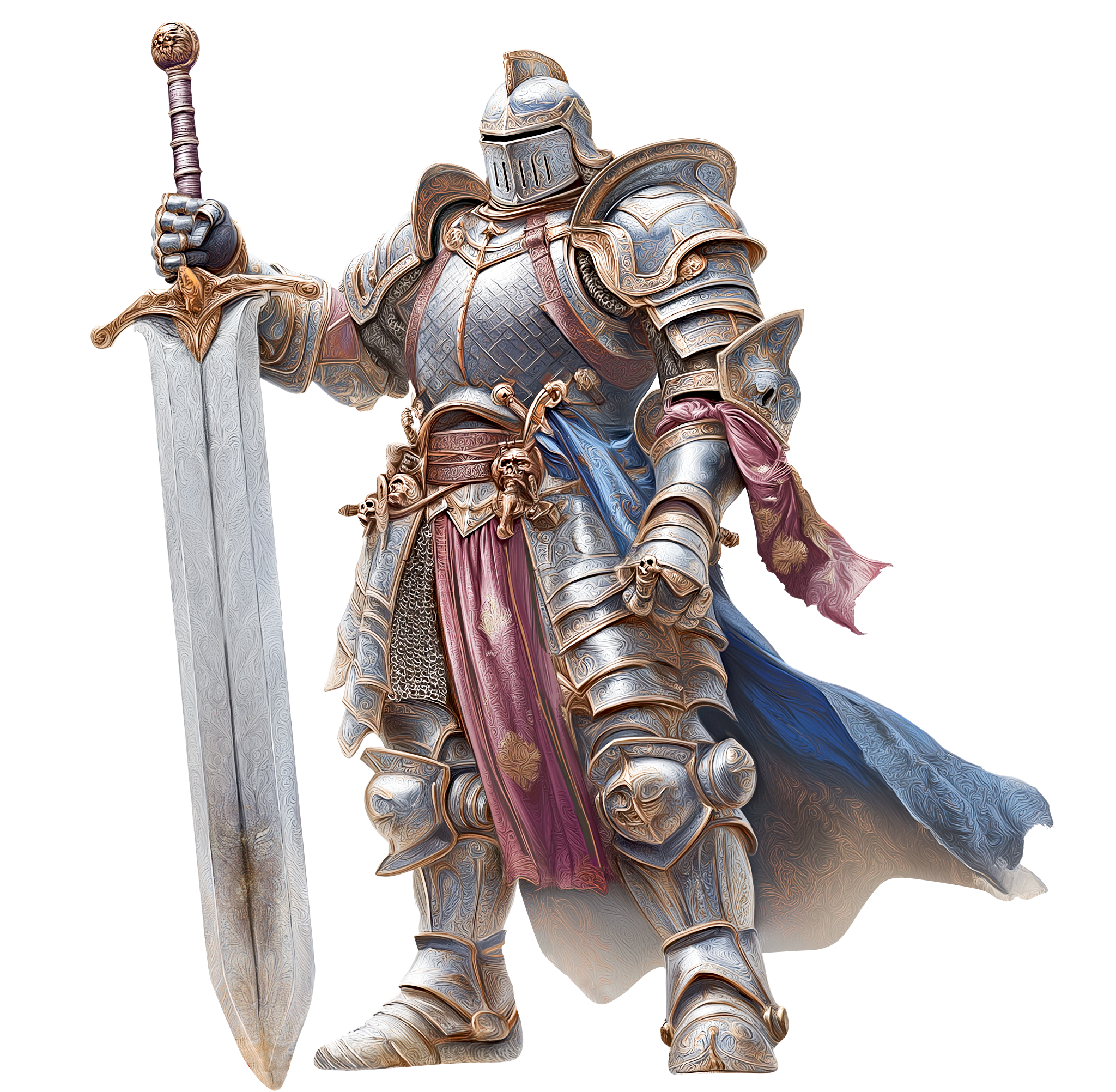
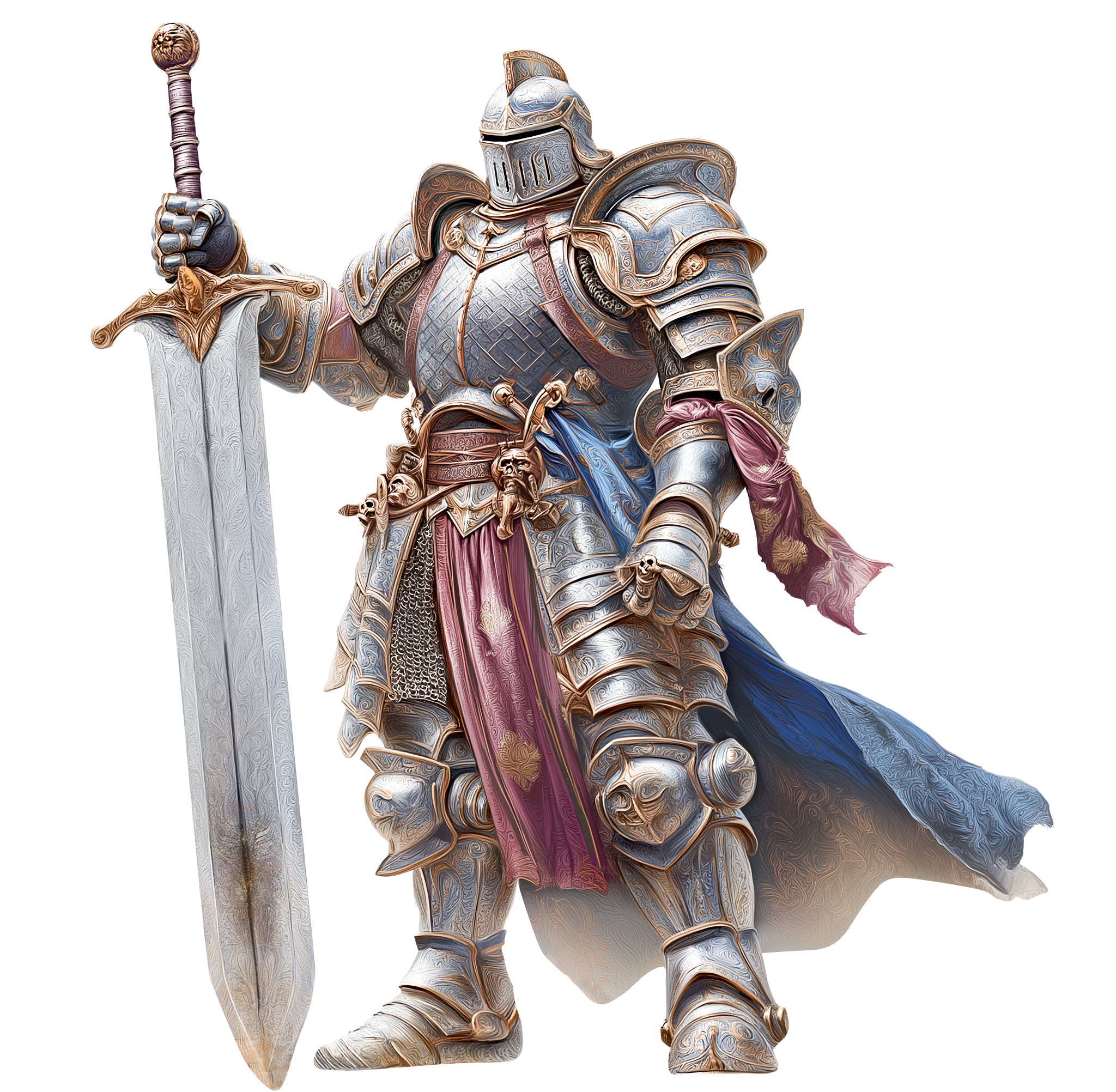
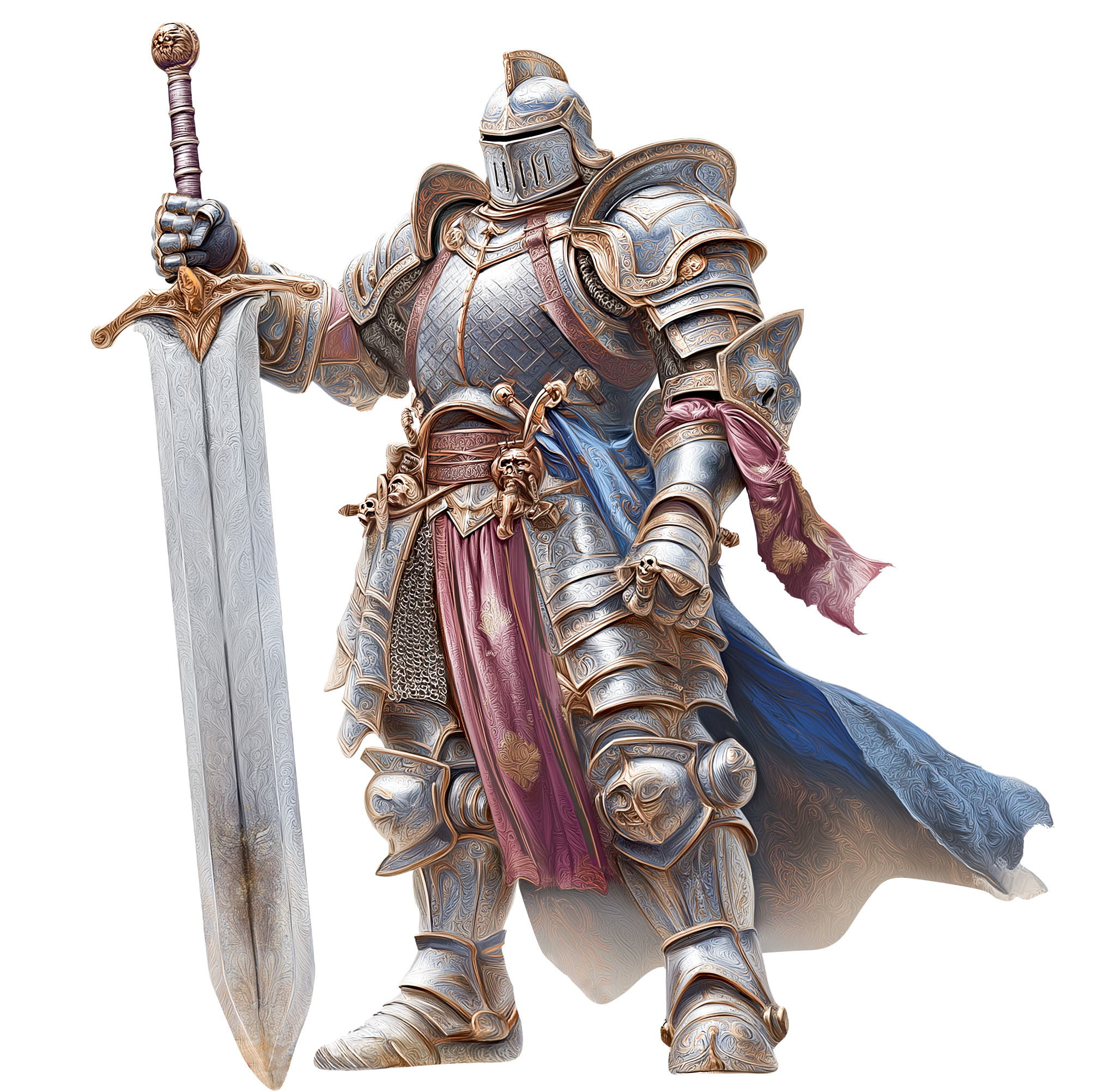
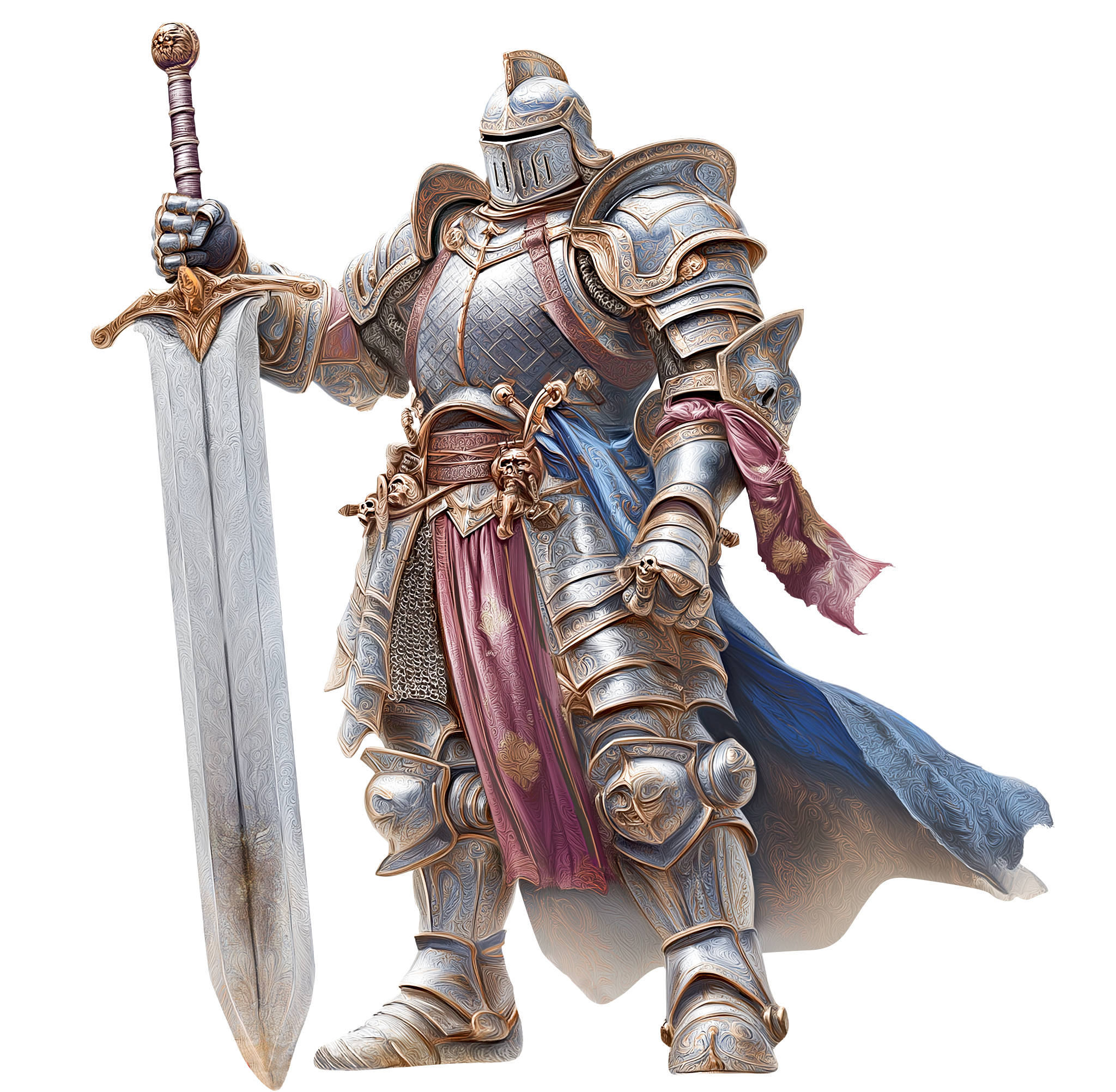
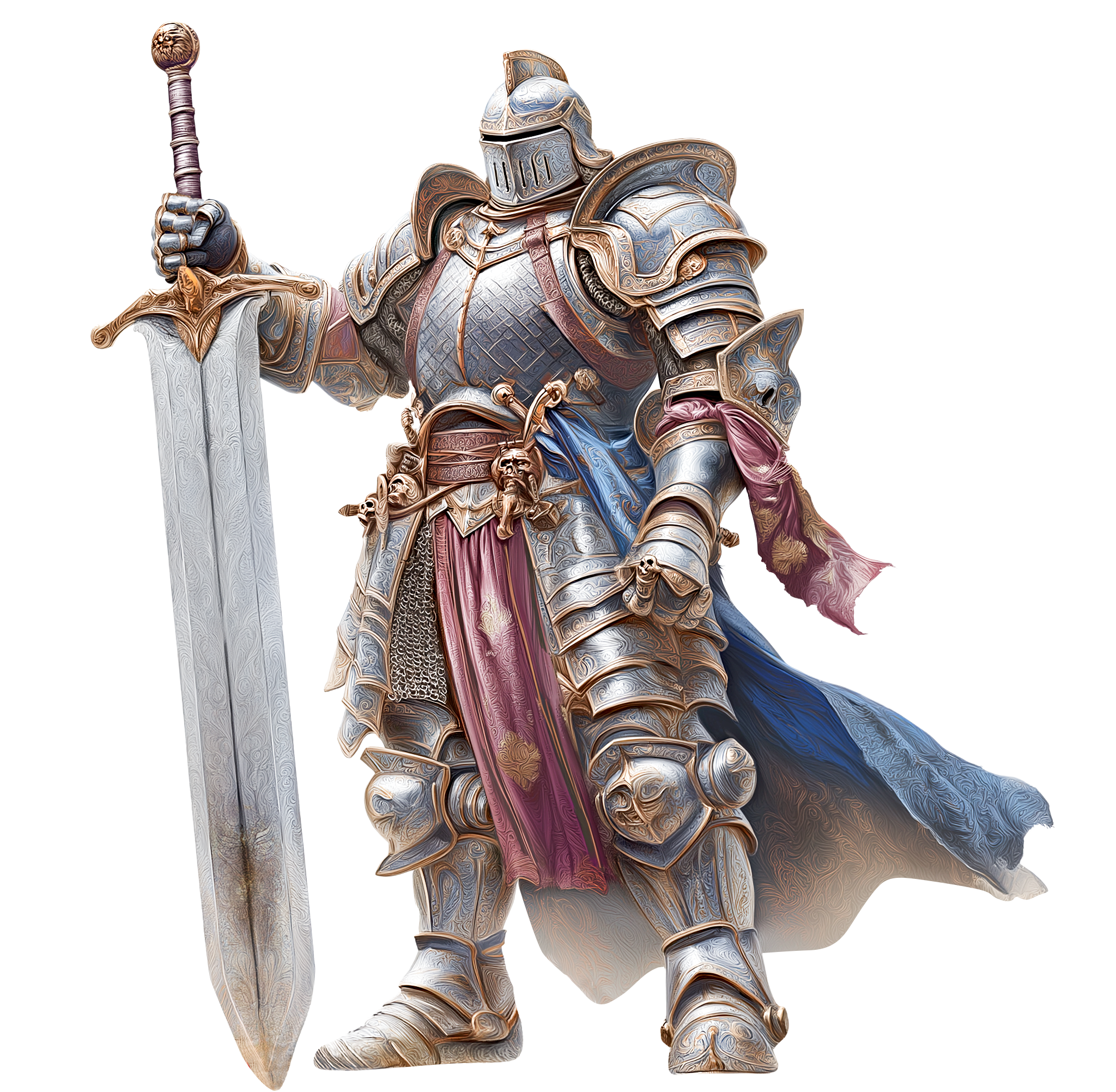
We’ve replaced the light infantry with knights. How does this battle play out, statistically? The paladin stack wins 99.99% of the time. That’s the power of stack building.
One final note: In these examples, we just reviewed the stack effects of morale, courage, and fear. But there are many, many more. Possibilities abound, good sirs!